


Grease buildup in your kitchen, garage, or bathroom doesn't need toxic chemicals to disappear. A natural degreaser without harsh chemicals cleans just as hard as the conventional stuff—without the fumes, skin irritation, or environmental guilt that comes with it.
Here's the honest truth: you have options. You can mix your own degreaser from pantry staples, grab a plant-based product from the store, or use something specifically formulated to cut grease safely. We're walking you through all of them so you can pick what fits your life.
In this article
- Why Skip Harsh Chemicals Altogether?
- DIY Natural Degreasers You Can Make Today
- Store-Bought Natural Degreasers That Actually Work
- How to Use Natural Degreasers Like a Pro
- Where Natural Degreasers Work Best
- Comparing Cost: DIY vs. Store-Bought
- What Makes a Degreaser "Natural"?
- Safety Tips When Using Natural Degreasers
- Real-World Scenarios: When to Use What
- Making the Switch: Your Transition Plan
- Why People Trust Natural Degreasers
- Frequently Asked Questions
Why Skip Harsh Chemicals Altogether?
Conventional degreasers often contain petroleum distillates and synthetic solvents that do serious damage. Breathing them in irritates your lungs. They can harm your skin. And when they wash down the drain, they don't break down easily—they just sit in the environment.
If you've got kids running around or pets who sniff everything, harsh chemicals are a real safety concern. Even "non-toxic" claims on some commercial bottles can be misleading.
Natural alternatives work differently. Instead of relying on aggressive solvents, they use plant-based surfactants and enzymes that break down grease molecules. Translation: your counters get clean, your lungs stay happy, and you're not introducing toxins into your home.
DIY Natural Degreasers You Can Make Today
If you love a good project (or just want to save money), these three recipes work in most situations.
1. Vinegar and Baking Soda Power Duo
Mix equal parts white vinegar and baking soda in a spray bottle. Add a few drops of your favorite essential oil if the vinegar smell bothers you. Spray it on greasy surfaces, let it sit for 5-10 minutes, then wipe. The fizzing action lifts grime without scrubbing your life away.
Best for: Kitchen stovetops, range hoods, light grease on appliances.
2. Dish Soap and Hot Water
This one's almost too simple: mix a tablespoon of natural dish soap (like castile or plant-based brands) with two cups of hot water in a spray bottle. The heat helps dissolve grease faster. Spray, wait a minute or two, and wipe clean.
Best for: Everyday kitchen cleaning, degreasing pans, light buildup on cabinets.
3. Lemon and Salt Scrub
Cut a lemon in half, dip it in salt, and scrub greasy surfaces directly. The citric acid in lemon is naturally acidic and cuts through grease. You get a mild abrasive with the salt for extra grit.
Best for: Stovetops, cutting boards, cast iron skillets.
Store-Bought Natural Degreasers That Actually Work
DIY is great, but sometimes you want something ready to spray. Lots of brands now make plant-based formulas that don't compromise on cleaning power.
Look for products that list their ingredients upfront and avoid anything with petroleum distillates, phosphates, or synthetic fragrances. Brands like Puracy focus on pure cleaning formulas free of harsh chemicals. Mrs. Meyer's Clean Day uses plant-derived ingredients with natural scents that don't trigger headaches.
For serious grease—think automotive gunk or years of kitchen buildup—Allgreendegreaser is built for exactly this. It's biodegradable, non-toxic, and works on everything from engine parts to stovetops. No harsh fumes. No safety warnings. Just degreasing that gets the job done.
Related: Best Biodegradable Degreaser for Safe Automotive Part Cleaning
Related: Non-Toxic Kitchen Degreaser for Stoves: Safe Cleaning Guide
How to Use Natural Degreasers Like a Pro
Step 1: Pick Your Surface
Different areas need different approaches. Delicate paint? Use diluted solutions. Hard surfaces like tile or stainless steel? Go full strength.
Step 2: Spray and Wait
This is the secret most people skip. Spray your degreaser and let it sit for 5-15 minutes depending on how thick the grease is. The longer it sits, the easier it breaks down without hard scrubbing.
Step 3: Wipe or Scrub
Use a microfiber cloth for light grease, or grab a non-scratch sponge for stubborn buildup. Work in circular motions and rinse with clean water when you're done.
Non-toxic. Biodegradable. Actually works
Try Our 12oz Sample →Step 4: Dry Completely
Water spots and streaks happen. Dry everything with a clean cloth for that finished look.
Where Natural Degreasers Work Best

Kitchen
Stovetops, range hoods, cabinet fronts, and the backsplash all collect grease. Natural degreasers cut through it without leaving chemical residue on surfaces where you prepare food.
Garage and Workshop
Engine parts, tools, and concrete floors get grimy. A strong natural degreaser tackles automotive grease without filling your garage with toxic fumes—especially if you're working indoors.
Bathroom
Soap scum and body oil buildup aren't strictly "grease," but natural degreasers handle both. They're safe to use around the tub and shower without worrying about fumes in an enclosed space.
Laundry Room
Washer lint traps and dryer vents accumulate oils. Natural degreasers clean them safely without residue that could affect your clothes.
Comparing Cost: DIY vs. Store-Bought
A homemade batch costs pennies per spray bottle. You already have vinegar and baking soda in your kitchen.
Plant-based store brands typically run $5-12 per bottle and last longer because they're concentrated.
For heavy-duty jobs that demand industrial strength without the industrial toxins, investing in a quality product like Allgreendegreaser saves time and frustration. One bottle handles what might take three DIY batches.
What Makes a Degreaser "Natural"?
The word "natural" isn't regulated, so brands throw it around loosely. Real natural degreasers should have:
- Plant-based surfactants (instead of synthetic ones)
- Essential oils or natural scents (not synthetic fragrance)
- Biodegradable formulas that break down in the environment
- No petroleum distillates, phosphates, or chlorine
- Clear ingredient lists you can actually read
If you can't pronounce the ingredients or the label is vague, it's probably not as natural as it claims.
Safety Tips When Using Natural Degreasers
Natural doesn't mean reckless. These are still cleaning products.
Always read the label. Wear gloves if you have sensitive skin. Use natural degreasers in ventilated spaces—open a window or turn on a fan. Test on a small, hidden area first if you're cleaning something expensive or delicate.
Keep products away from kids and pets, even natural ones. Store in a cool, dark place so they last longer.
According to research from the National Institutes of Health, household chemical exposures in enclosed spaces can accumulate and affect air quality—one more reason to skip harsh chemicals and reach for natural options instead.
Real-World Scenarios: When to Use What
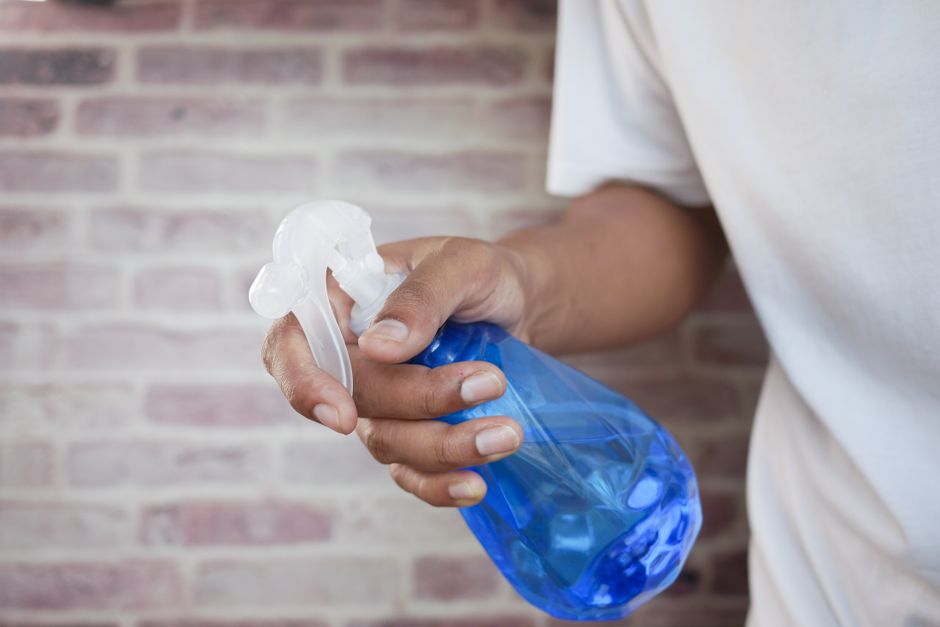
Light daily kitchen cleanup: Dish soap and water. Cheap, fast, effective.
Weekly deep clean: Your DIY vinegar and baking soda mix. Budget-friendly and powerful enough.
Monthly heavy grease buildup: A plant-based store brand or Allgreendegreaser. Worth the investment for tough jobs.
Automotive and industrial grime: A product specifically formulated for that abuse. Natural formulas designed for engine parts outperform generic solutions.
Making the Switch: Your Transition Plan
You don't have to throw out everything and go all-in overnight. Start small. Replace one harsh chemical cleaner with a natural degreaser. Use it for a week and see how it performs.
Once you're confident, swap out the next one. Within a month, you'll likely notice your home smells better, you're not headachy after cleaning, and your hands aren't drying out from chemical exposure.
That's the real win of going natural. It's not just better for the planet—it's better for you and your family every single day.
Why People Trust Natural Degreasers
Families with young kids and pet owners make this switch first because they see the direct benefit. No fumes near your baby. No worry about what your dog licks off the floor. No mysterious rashes after using a harsh product.
Related: Safe Degreaser for Families with Kids: 2026 Data Report
Professional cleaners and restaurants are jumping on board too. They've realized that natural doesn't mean weak—it just means smarter chemistry.
If you're still on the fence, check out Allgreendegreaser reviews from real users who've ditched conventional degreasers. You'll see the same theme: it cleans like the harsh stuff, but without the guilt or the headaches.
Frequently Asked Questions
Does natural degreaser work as well as chemical cleaners?
Yes. Plant-based surfactants and natural solvents break down grease just as effectively as petroleum-based products. The main difference is they do it without toxic fumes or environmental damage. For stubborn buildup, you might need to let it sit longer or scrub a bit harder, but the results are identical.
Can I use natural degreaser on all surfaces?
Mostly, yes—but test first on delicate finishes like certain paints or varnished wood. Acidic cleaners like vinegar can dull some surfaces over time. For painted cabinets or antiques, dilute your degreaser or use a gentler formula. Always read the label for specific surface guidance.
How long does natural degreaser last after opening?
Homemade mixes should be used within a few weeks. Store-bought natural degreasers typically last 1-2 years in a cool, dark place. Check the expiration date on commercial products. Keep spray bottles sealed tight to prevent the formula from evaporating or degrading.
Is natural degreaser safe for septic systems?
Yes, that's one of the biggest advantages. Biodegradable formulas break down naturally in septic tanks and wastewater treatment, unlike harsh chemicals that can disrupt the bacteria needed to process waste. This makes natural degreasers the smart choice if you have a septic system.
Non-toxic. Biodegradable. Actually works
Try Our 12oz Sample →