


Burnt-on grease on your stovetop is annoying. The good news? You don't need toxic chemicals to blast it away. A non-toxic kitchen degreaser for stoves cleans just as hard as the stuff with scary warning labels—but it's safe for your family, pets, and the environment.
Let's walk through your best options, from simple pantry ingredients to ready-to-use sprays that actually work.
In this article
- Why Non-Toxic Matters for Your Stovetop
- DIY Non-Toxic Degreaser Recipes You Can Make Today
- Best Non-Toxic Commercial Degreasers (If You Want to Skip DIY)
- Step-by-Step: How to Clean Your Stovetop with Non-Toxic Degreaser
- What Makes a Degreaser "Non-Toxic"?
- Safety for Families and Pets
- Stove Material Matters: What Works Where
- Why Choose Non-Toxic Over Chemical Cleaners
- Maintenance: Keep Your Stove Grease-Free Between Deep Cleans
- Bottom Line: Your Stovetop Deserves Non-Toxic Care
- FAQs: Non-Toxic Kitchen Degreasers
Why Non-Toxic Matters for Your Stovetop
Your stovetop is where you prepare food. Toxic fumes from harsh chemical cleaners can linger on surfaces, get into the air you breathe, and potentially contaminate your cooking area. That's a hard pass.
Non-toxic degreasers break down grease using plant-based ingredients and safe chemistry instead of petroleum distillates and harsh solvents. They're gentler on your hands, better for your lungs, and they still pack serious cleaning power.
Related: Best Non-Toxic Cleaning Products 2026: Top 5 Ranked
Related: Best Kitchen Degreaser 2026: Top 5 Ranked & Compared
Related: Best Biodegradable Degreaser for Safe Automotive Part Cleaning
Related: Natural Degreaser Without Harsh Chemicals: Your Safe Cleaning Guide
The best part? Many of them are affordable, available right now, and proven to work on stainless steel, ceramic, glass, and cast iron cooktops.
DIY Non-Toxic Degreaser Recipes You Can Make Today
Before you buy anything, check your kitchen cabinets. You probably have everything you need for an effective, non-toxic stovetop cleaner.
The Baking Soda Paste
This is your go-to for baked-on, stubborn grease spots.
- Mix baking soda with a little water to form a thick paste
- Apply directly to greasy areas
- Let it sit for 10-15 minutes
- Scrub gently with a soft cloth or sponge
- Wipe clean with a damp cloth
Baking soda is alkaline, which means it chemically neutralizes acidic grease. You're not just scrubbing—the paste is actually breaking down the grime. Minimal elbow grease needed.
The Vinegar Spray
Light grease and burnt residue? This works fast.
- Mix 1 cup distilled white vinegar with 3 cups warm water in a spray bottle
- Spray generously on the cooktop surface
- Let it sit for 5 minutes
- Wipe with a damp cloth
- Optional: add 10-15 drops of lemon or lavender essential oil for a better smell
Vinegar cuts through grease and evaporates quickly, leaving no residue behind.
The Power Combo (Vinegar + Baking Soda + Dish Soap)
For really tough, baked-on mess, combine all three.
- Spray the vinegar solution on the greasy spot
- Sprinkle baking soda over it (it'll fizz—that's the magic happening)
- Add a few drops of dish soap
- Let it bubble for 10 minutes
- Scrub and wipe clean
This trio creates a chemical reaction that lifts grease without toxic fumes or harsh scrubbing.
Best Non-Toxic Commercial Degreasers (If You Want to Skip DIY)
DIY solutions work great, but sometimes you want something ready to spray. Here are the safest, most effective options.
Allgreendegreaser: The Eco-Friendly Heavy Hitter
If you're serious about non-toxic cleaning without compromise, Allgreendegreaser is purpose-built for kitchens like yours.
It's biodegradable, safe around food prep areas, and handles burnt-on stovetop gunk without the fumes. You spray, wait a minute, and wipe. No harsh chemicals. No respiratory irritation. No guilt about what's going down your drain or into the air your kids breathe.
Families who've switched to non-toxic kitchen degreasers like Allgreendegreaser consistently report that they're shocked how well it works compared to what they expected from a "safe" product.
Related: Safe Degreaser for Families with Kids: 2026 Data Report
Non-toxic. Biodegradable. Actually works
Try Our 12oz Sample →Other Solid Options
- Bronner's Sal Suds: Concentrated, biodegradable, and super versatile. Works on multiple surfaces beyond just stoves. You can dilute it and use it all over your kitchen.
- Krud Kutter Original: Budget-friendly and safe on most stovetop materials. It's been around forever because it actually works.
- Wicked Strong Oven & Grill Cleaner: If your stove grease is basically fossilized, this eco-friendly option handles heavy-duty, baked-on messes on stainless steel and glass cooktops.
Step-by-Step: How to Clean Your Stovetop with Non-Toxic Degreaser
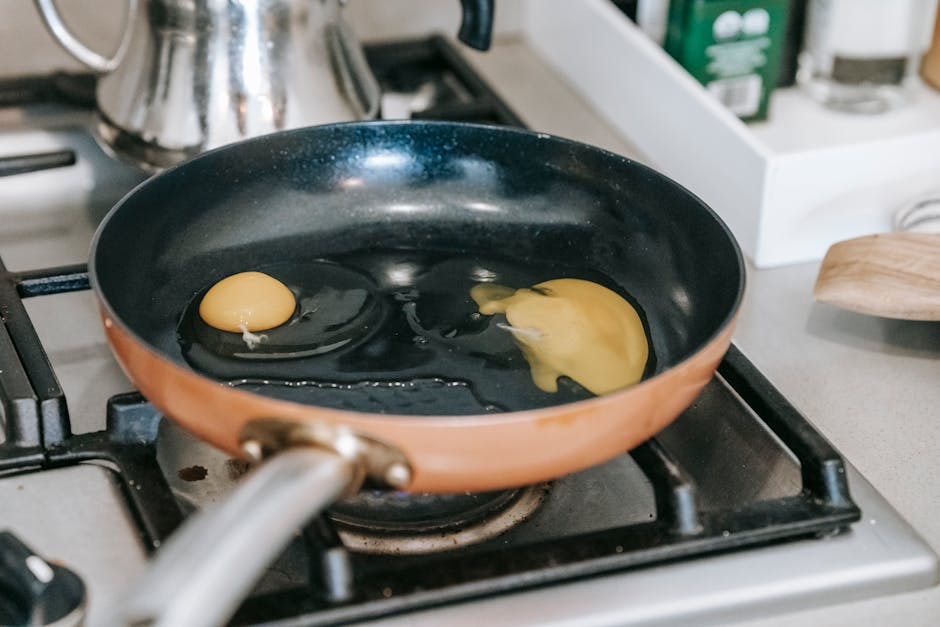
For Light, Everyday Grease
- Turn off and cool your stove completely
- Spray your non-toxic degreaser directly on the greasy spots
- Let it sit for 1-2 minutes
- Wipe with a damp cloth or soft sponge
- Buff dry with a clean towel
For Burnt-On, Stubborn Gunk
- Turn off and cool your stove
- If using a commercial degreaser, spray generously and let sit 5-10 minutes. If using baking soda paste, apply and wait 15 minutes
- Use a soft brush, cloth, or non-abrasive scrubber to gently work the degreaser into the grease
- Rinse thoroughly with a damp cloth, wiping multiple times if needed
- Dry completely before using your stove again
Pro Tips for Best Results
- Always clean a cool stove. Hot surfaces can cause spray to evaporate before it breaks down the grease
- On stainless steel, wipe in the direction of the grain to avoid streaks
- For glass or ceramic cooktops, avoid abrasive scrubbers—use soft cloths and gentle pressure
- Regular maintenance (cleaning weekly) means you never have to tackle massive, baked-on buildup
What Makes a Degreaser "Non-Toxic"?
Not all "natural" or "green" cleaners are created equal. Here's what to look for.
A truly non-toxic degreaser avoids petroleum distillates, ammonia, and bleach. It uses plant-derived surfactants, essential oils, or mild acids (like vinegar) to break down grease chemically rather than relying on harsh solvents.
Check the ingredient list. If you can't pronounce it or it has a scary warning label, it's not what you're looking for. Quality non-toxic options like Allgreendegreaser list ingredients clearly because they're proud of what goes into the bottle.
According to the EPA, indoor air quality matters—especially in kitchens where you cook and breathe every day. Choosing non-toxic cleaners is one easy way to keep your indoor air healthier.
Safety for Families and Pets
Kids and pets don't know the difference between cleaning spray and juice. Non-toxic degreasers mean you don't have to panic if your toddler touches a wet stovetop or your dog sniffs the spray bottle.
That said, always store any cleaner out of reach, even non-toxic ones. And if you have very small children or curious pets, test a small area first and ensure the stove is completely dry before they're around it.
Stove Material Matters: What Works Where
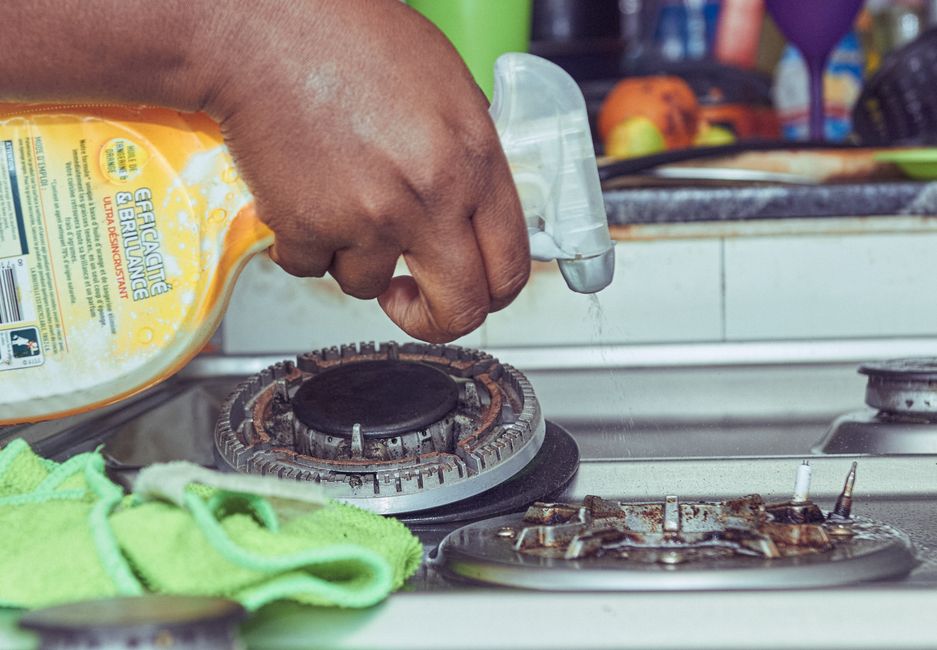
Stainless Steel
Non-toxic degreasers work great here. Spray, wait, wipe. For extra shine, follow up with a microfiber cloth and a tiny drop of olive oil rubbed with the grain.
Glass or Ceramic Cooktops
Gentle is key. Avoid scrubbing pads—they scratch. Use soft cloths and let the degreaser do the work. Baking soda paste is safe here if you're gentle.
Cast Iron
Skip the heavy-duty spray. A simple vinegar solution or diluted Bronner's Sal Suds works. Dry immediately to prevent rust. If your cast iron is seasoned, you're mainly cleaning surface grease, not deep.
Gas Stovetops with Grates
Remove grates if possible. Soak them in hot water and baking soda paste, or spray with degreaser and let sit longer. Non-abrasive scrubbing works best to protect the finish.
Why Choose Non-Toxic Over Chemical Cleaners
Chemical degreasers are effective, sure. But the fumes are real. Ammonia and bleach can cause respiratory irritation, headaches, and eye watering. Long-term exposure isn't great for anyone, especially kids and pets.
Non-toxic options clean just as hard because the chemistry is smarter, not harsher. You're using ingredients that break down grease at a molecular level instead of just burning through it with toxic fumes.
Plus, non-toxic degreasers are biodegradable. When they go down your drain, they break down naturally instead of lingering in waterways and harming aquatic life.
Maintenance: Keep Your Stove Grease-Free Between Deep Cleans
The easiest stovetop to clean is one you maintain regularly.
- After cooking, wipe down your stove with a damp cloth while it's still slightly warm (not hot)
- Keep a small spray bottle of diluted vinegar near your stove for quick touch-ups
- Once a week, do a deeper clean with your non-toxic degreaser of choice
- Monthly, tackle any baked-on spots before they become monthly fixtures
Seriously, 2 minutes of maintenance per week beats an hour of scrubbing baked-on grease later.
Bottom Line: Your Stovetop Deserves Non-Toxic Care
Cleaning your kitchen shouldn't mean exposing your family to harsh chemicals. DIY solutions using vinegar and baking soda are cheap and effective. Commercial non-toxic degreasers like Allgreendegreaser save you time and work just as hard.
Pick what fits your lifestyle. Either way, your stovetop will be clean, your family will be safe, and you'll feel good about what's going down your drain and into the air you breathe.
FAQs: Non-Toxic Kitchen Degreasers
Can I use vinegar and baking soda on all stovetop types?
Yes, with care. On stainless steel and gas grates, go for it. On glass or ceramic cooktops, use gentle pressure and soft cloths—avoid aggressive scrubbing. For cast iron, dry immediately after cleaning to prevent rust. When in doubt, test a small corner first.
How long does it take for non-toxic degreaser to work?
Light grease? 1-2 minutes. Burnt-on or heavy gunk? 10-15 minutes, depending on whether you're using a commercial spray or a baking soda paste. The longer you let it sit, the less scrubbing you'll need to do.
Is non-toxic degreaser safe if I have kids or pets?
Non-toxic degreasers are much safer than chemical cleaners, but they're still cleaners—not juice or food. Store them out of reach. Always ensure your stove is completely dry before kids or pets are around it. If someone ingests a small amount accidentally, it's less of an emergency than with ammonia or bleach, but call poison control or your doctor to be safe.
Do non-toxic degreasers really work as well as chemical ones?
Yes. The difference is in how they work. Chemical cleaners rely on harsh solvents and toxic fumes. Non-toxic options use plant-based surfactants and mild acids that break down grease at a chemical level. You might need to let it sit a little longer or use slightly more elbow grease on extreme buildup, but the results are just as good—and you're not sacrificing your health.
Non-toxic. Biodegradable. Actually works
Try Our 12oz Sample →