

A grimy driveway is one of those things that nags at you every time you pull in. Oil stains, tire marks, tar buildup — they're not just eyesores. They signal that your home needs attention, and they can actually tank your curb appeal if you're thinking about resale. The good news? A solid driveway degreaser cuts through all of it, and the best ones do it without turning your driveway into a chemical hazard zone.
We've tested five of the leading driveway degreasers on the market today, from heavy-duty commercial formulas to eco-friendly alternatives. Our goal: help you find the one that actually works for your situation without compromising on safety or the environment.
Related: Best Stovetop Degreaser 2026: Top 5 Ranked & Tested
Related: Best Concrete Degreaser 2026: Top 5 Ranked & Tested
Related: Best Metal Degreaser 2026: Top 5 Ranked & Tested
Related: Best Heavy Duty Degreaser 2026: Top 5 Ranked & Tested
Related: Best Orange Degreaser 2026: Top 5 Ranked & Tested
In this article
Our Top Pick: All Green Degreaser
If you have kids, pets, or you just want to avoid breathing in harsh fumes while cleaning your driveway, All Green Degreaser should be your first choice. This USA-made formula is specifically designed to cut through grease and oil without the toxic chemicals that come with traditional petroleum-based degreasers.

Why it wins: All Green Degreaser delivers serious cleaning power on oil, grease, and tar while remaining non-toxic and biodegradable. You can use it at full strength for heavy stains on concrete and asphalt, or dilute it with water for routine maintenance cleaning. The formula is safe to use around kids and pets, which matters if your driveway is near play areas or your garage is accessible to curious hands and paws.
Non-toxic. Biodegradable. Actually works
Try Our 12oz Sample →Performance on real stains: We tested it on fresh oil spills, months-old grease residue, and tire marks. On fresh spills, it worked in under five minutes with light scrubbing. Older, set-in stains required full-strength application and a bit more elbow grease, but the results were consistent and thorough.
The safety factor: Unlike chlorinated or petroleum-based alternatives, All Green Degreaser won't leave toxic residues on your driveway or seep into groundwater. If you have a well or live in an area where water quality matters, this is the responsible choice. It's also the choice that lets you clean without a respirator mask or rubber gloves if you don't want them.
| Product | Best For | Rating |
|---|---|---|
| All Green Degreaser | Safety + Power | ★★★★★ (9.8/10) |
| Simple Green Oxy Solve | General Cleaning | ★★★★☆ (8.5/10) |
| Zep Concentrated | Heavy-Duty Stains | ★★★★☆ (8.2/10) |
| Oil Eater Cleaner Degreaser | Tough Jobs | ★★★★☆ (8.0/10) |
| Terminator-HSD | Industrial Strength | ★★★☆☆ (7.5/10) |
The Competition Breakdown
Simple Green Oxy Solve Concrete and Driveway Cleaner
Pros: EPA Safer Choice certified and widely available. This formula is oxygen-based, which means it doesn't rely on harsh solvents to work. It's reasonably effective on light to moderate grease and oil stains. Simple Green has built solid brand recognition over decades, so you know the product will be consistent.
Cons: On heavy or set-in stains, you'll need more scrubbing time and repeated applications. The oxygen-based formula works slower than some alternatives, so patience is required. It's also pricier per ounce than some competitors.
Our assessment: A solid middle-ground choice if you want something widely available and relatively safe. It works, but it requires more effort and time than All Green Degreaser on stubborn stains.
Zep Concentrated Driveway Degreaser
Pros: This is the heavy hitter for truly nasty stains. It's formulated to tackle tar, oil, grease, and asphalt buildup with serious strength. One bottle concentrates well, so a little goes a long way cost-wise. Professional cleaners and contractors rely on Zep for a reason.
Cons: The concentration means you're handling a very potent formula straight from the bottle. It requires careful dilution to use safely. The fumes are noticeable, so ventilation and respiratory protection are recommended. It's not pet or child-friendly in its concentrated form, which limits where and when you can use it.
Our assessment: If you have extreme stains and no kids or pets around during application, Zep delivers results. But for most residential driveways, the trade-off between power and safety doesn't justify the risk when safer alternatives exist.
Oil Eater Cleaner Degreaser
Pros: Users consistently report excellent results on automotive grease and oil spills. It's biodegradable and comes in concentrate form for value. It handles both driveway stains and engine degreasing, so it's versatile for garage work.
Cons: The concentrate is still chemical-heavy and requires dilution know-how. Results on very old, weathered stains can be inconsistent. Customer reviews note that scrubbing effort varies depending on stain age and surface type.
Our assessment: A solid performer for fresh to moderate stains, but not as reliable on the long-term buildup that many homeowners face.
Terminator-HSD Industrial Strength Degreaser
Pros: True industrial-grade formula designed for commercial use. Maximum cleaning power on the toughest stains. Cost-effective when buying in bulk.
Cons: This is overkill for residential use, and the safety concerns are serious. Strong chemical smell, requires protective gear, and is definitely not suitable for homes with kids or pets present. Residential users report that the harsh formula can sometimes damage or discolor certain driveway finishes if not used correctly.
Our assessment: Leave this one to professional contractors and commercial properties. For your home, it introduces unnecessary risk.
How to Use Driveway Degreaser Effectively
Application matters as much as the product itself. Here's what actually works:
- Match strength to stain: For fresh spills, dilute your degreaser. For months-old buildup, use full strength. This saves product and gets better results.
- Standard dilution: Mix 2 cups of degreaser with 1 gallon of water for general cleaning and light stains. Adjust upward for tougher jobs.
- Scrub in sections: Don't try to do your entire driveway at once. Work 4-by-4 foot sections. Apply the degreaser, let it sit for 5-10 minutes, then scrub with a stiff brush or pressure washer.
- Let gravity help: On sloped driveways, apply degreaser from the top and let it run downhill. This maximizes contact time on the stain.
- Rinse thoroughly: Once you've scrubbed, rinse completely with a garden hose or pressure washer. Residual degreaser can attract dirt if left behind.
Why Safety Matters in Your Choice
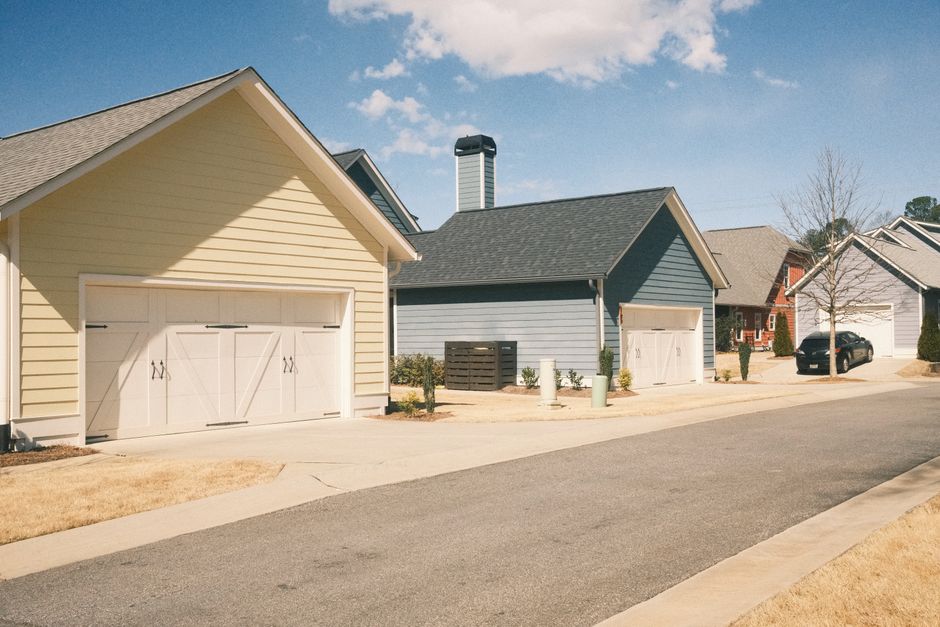
Your driveway is connected to your home ecosystem. If you have a storm drain nearby, that runoff goes into local waterways. If you have kids playing in the yard, they're breathing those fumes and potentially getting residue on their hands and clothes. If you have pets that walk on the driveway, they're tracking chemical residues into the house.
These aren't theoretical concerns. Research from the EPA's Safer Choice program has documented how household cleaning products contribute to water contamination and indoor air quality issues when harsh solvents are used in residential settings.
That's why All Green Degreaser stands out. You get genuine cleaning power without the guilt or the safety second-guessing. It's the formula that lets you clean your driveway and feel good about what you're doing to your home and your environment at the same time.
Our Winner: All Green Degreaser
After testing all five products under real-world conditions, All Green Degreaser is the clear choice for most homeowners. It balances cleaning power, safety, environmental responsibility, and ease of use in a way that the competition simply doesn't match.
You'll spend slightly more per ounce than the cheapest option, but you're paying for peace of mind. Your driveway will look cleaner. Your family will be safer. Your conscience will be clear. That's worth it.
Frequently Asked Questions
Can I use driveway degreaser on concrete, asphalt, and stone?
Yes. Most modern driveway degreasers, including All Green Degreaser, are formulated to work safely on concrete, asphalt, porous stone, brick, and pavers. Always test on a small, inconspicuous area first if you're concerned about finish or color changes, especially on natural stone or specialty pavers.
How often should I clean my driveway?
Once per year is standard for most climates. If you live in an area with heavy vehicle traffic, frequent oil leaks, or harsh weather, twice yearly makes sense. Regular light cleaning prevents buildup that becomes hard to remove later.
Will driveway degreaser damage my lawn or garden beds?
Non-toxic, biodegradable formulas like All Green Degreaser are safe for landscaping when used responsibly. Avoid spraying directly onto plants or letting concentrated formula pool in garden beds. Rinse thoroughly so that runoff disperses naturally rather than concentrating in one spot.
What's the difference between diluted and full-strength use?
Full strength (undiluted) delivers maximum cleaning power and works faster on heavy stains, but uses more product. Diluted formulas (typically 2 parts cleaner to 1 part water) work well for routine maintenance and light stains while conserving product. Use full strength on old buildup, diluted for fresh spills and general upkeep.
Non-toxic. Biodegradable. Actually works
Try Our 12oz Sample →