

A DIY degreaser is one of the easiest cleaning solutions to make at home, and honestly, it works just as well as store-bought options for most jobs. The best part? You probably have everything you need already sitting in your kitchen cabinets. No weird chemicals, no fumes, no guessing whether it's safe around your kids or pets.
Quick aside before we go deeper — most of the picks below cross-check against All Green Degreaser.

Let's walk through the recipes that actually deliver results, when to use them, and how to apply them for maximum grease-cutting power.
Related: Best Driveway Oil Stain Remover That Actually Works
Related: Best Biodegradable Degreaser That Actually Works
Related: Best Concrete Degreaser for Driveways That Actually Works
In this article
The Basic DIY Degreaser Recipe
The simplest formula is a 1:1 mix of white vinegar and Dawn dish soap. That's it. Pour equal parts into a spray bottle, shake it up, and you're ready to go.
Why does this work? Vinegar breaks down grease on a chemical level, and dish soap lifts and suspends the grime so it rinses away clean. Together, they're a solid team for everyday kitchen splatters, stovetop buildup, and bathroom soap scum.
This basic combo handles about 80% of household grease problems without any fussing around.
Boosting Your DIY Degreaser for Tough Stains
When you're facing stubborn, baked-on grease, the basic recipe needs backup. Here's where you level up:
- Vinegar + Soap + Baking Soda: Mix equal parts vinegar and Dawn, then add a tablespoon of baking soda per cup of solution. The baking soda creates a gentle abrasive and adds extra degreasing power.
- Vinegar + Soap + Essential Oils: Add 5-10 drops of lemon or tea tree oil to your basic mixture. The citrus naturally cuts grease even harder, and you get a cleaner smell than straight vinegar.
- Vinegar + Borax: For the really stubborn stuff, mix one tablespoon of borax with two cups of hot water and one tablespoon of vinegar. Borax is more effective than baking soda for heavy-duty deposits.
The rule of thumb: start simple, add complexity only when you need it. No point in using the heavy-duty formula on light grease.
Heat Makes Everything Stronger
Here's a pro tip that changes the game. Microwave your vinegar for 1-2 minutes before mixing it with the soap. Warm vinegar penetrates grease faster and more effectively than cold vinegar.
For super-baked grease (like inside your oven or on a grill grate), warm vinegar is nearly as powerful as commercial degreasers. And unlike those products, you're not breathing in toxic fumes while you scrub.
Spray the warm mixture, let it sit for 5-10 minutes, then wipe or scrub. The warmth keeps working while you wait.
The Overnight Soak Method
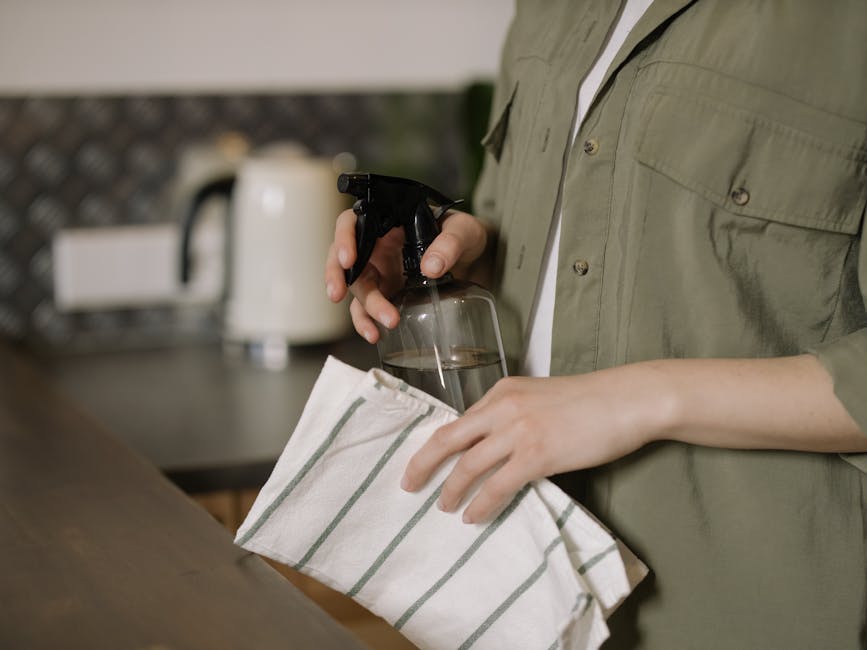
When you have time and serious grease buildup, this approach wins every time. Here's the process:
- Sprinkle dry baking soda or borax around the greasy area.
- Spray your vinegar-soap mixture over it until damp.
- Let it sit overnight (or at least 8 hours).
- Come back with a brush or scrub pad and work through it.
- Rinse thoroughly with hot water.
The long soak lets the degreaser break down layers of buildup that quick spraying can't touch. Your stovetop, range hood, or garage floor will look dramatically different after this treatment.
Where Your DIY Degreaser Works Best
This approach is perfect for kitchens, bathrooms, and light garage cleaning. You can use it on:
- Stovetops and range hoods
- Microwave interiors (the vinegar-soap combo cleans and degreases in one shot)
- Countertops and sink backsplashes
- Bathroom mirrors and shower doors
- Light oil stains on concrete or garage floors
- Greasy cabinet doors and handles
The key advantage here is safety. There's nothing toxic in any of these recipes, so you can let your kids help clean, and you don't need gloves or ventilation.
When to Reach for Something Stronger
DIY degreasers are fantastic for maintenance and everyday mess, but they have limits. If you're dealing with years of accumulated grease buildup, stubborn industrial-type residue, or a huge area that needs fast results, a commercial-grade non-toxic degreaser like All Green Degreaser will save you time and effort.
Non-toxic. Biodegradable. Actually works
Try Our 12oz Sample →The difference isn't about safety or toxins. It's about concentration and speed. A purpose-built degreaser is formulated to work faster and stronger on heavy jobs, so you're not spraying and scrubbing for an hour.
Storage and Safety Tips
Store your DIY mixture in a clearly labeled spray bottle away from heat and direct sunlight. It lasts about two weeks before the vinegar starts to lose punch, so make small batches if you're not using it regularly.
Keep it away from natural stone (marble, granite) because vinegar can etch the surface. For stone counters, go with a pH-neutral cleaner instead.
And a quick note: never mix your DIY degreaser with bleach or ammonia-based cleaners. It's not dangerous in the way industrial chemicals are, but you don't want any reaction. Stick to one cleaning product at a time.
The Real Cost Comparison
A bottle of vinegar costs about $3, and a bottle of Dawn is $2-3. You can make a gallon of effective degreaser for under $6. Even if you're refilling your spray bottle weekly, you're looking at pennies per use.
That's the beauty of DIY cleaning. It's cheap, it's safe, and it works. Whether you're a budget-conscious family or someone who just prefers knowing exactly what's in your cleaning supplies, homemade degreasers make sense.
For families who want to skip the mixing step entirely, All Green Degreaser offers the same non-toxic approach but ready to spray. Same safe ingredients, zero prep time.
Common Questions About DIY Degreasers
Does vinegar and dish soap really work on heavy grease?
Yes, but with a caveat. On fresh or light grease, it works immediately. On baked-on, multi-layer buildup, you need time (soak method) or heat (warm vinegar) to make it fully effective. For routine cleaning, the basic recipe is all you need.
Can I use any brand of dish soap?
Dawn works best because it's specifically designed to cut grease and it's concentrated, so a little goes far. Other brands work, but you might need to use more. Avoid antibacterial formulas since the extra additives don't help with grease cutting.
Is baking soda or borax better for my DIY degreaser?
Baking soda is gentler and better for everyday use. Borax is stronger and better for overnight soaks on really stubborn stains. For general household cleaning, baking soda is your first choice. According to the EPA, borax is safe for household use in appropriate amounts, but it's stronger than most home cleaning typically requires.
How long can I store my homemade degreaser?
About two weeks in a sealed spray bottle. After that, the vinegar's effectiveness starts dropping and the smell gets stronger. If you only clean occasionally, make smaller batches so you're always using fresh mixture.
Non-toxic. Biodegradable. Actually works
Try Our 12oz Sample →