

Greasy kitchen cabinets are honestly one of those cleaning tasks that feel impossible until you know the trick. The good news? You can clean grease off cabinets with simple methods and ingredients you probably already have at home, or with an eco-friendly degreaser designed for the job.
In this article
- Why Your Cabinets Get Greasy in the First Place
- Best Solutions for Cleaning Greasy Cabinets
- Step-by-Step Process for Cleaning Greasy Cabinets
- Pro Tips for Tough Grease
- Maintaining Clean Cabinets Long-Term
- Cleaning Different Cabinet Finishes
- When to Call in Professional Help
- Why Eco-Friendly Matters for Kitchen Cleaning
- Frequently Asked Questions
Why Your Cabinets Get Greasy in the First Place
Cooking releases oils and steam into the air. Over time, that buildup settles on your cabinet surfaces, especially the fronts and tops. It's not a sign you're a bad cleaner. It's just what happens in kitchens where people actually cook.
The challenge is that grease doesn't respond to water alone. You need something that breaks the molecular bond between the grease and your cabinet surface. That's where the right cleaning solution comes in.
Related: How to Clean Grease Off Stove: 5 Easy Methods
Related: How to Remove Grease from Pans: 5 Easy Methods
Related: How to Remove Grease from Kitchen Cabinets: A Safe Guide
Related: How to Get Grease Off Concrete: The Complete Guide
Related: Best Degreaser for Kitchen Cabinets: A Family-Safe Guide
Best Solutions for Cleaning Greasy Cabinets
You have several options, depending on how stubborn the grease buildup is.
Option 1: Dish Soap and Warm Water (For Light Grease)
This is your first-line defense. Mix a few drops of Dawn dish soap with warm water in a spray bottle. The soap's surfactants bind to grease and lift it off your cabinets without requiring elbow grease.
Spray lightly onto a soft, damp cloth and wipe your cabinet doors. This works great for regular maintenance when you clean every few weeks.
Option 2: Vinegar and Water Solution (For Moderate Buildup)
Mix equal parts white vinegar and water in a spray bottle, then add a few drops of dish soap. The vinegar cuts through grease while being gentle on most cabinet finishes.
Let the solution sit for 30 seconds before wiping. This method is solid for cabinets that haven't been cleaned in a while.
Option 3: Baking Soda Paste (For Stubborn Spots)
For thick, caked-on grease, make a paste using 2 tablespoons of baking soda and 1 tablespoon of warm water. Apply it directly to problem areas and let it sit for 5-10 minutes.
The baking soda acts as a mild abrasive without scratching your cabinet finish. Use a soft toothbrush to gently work the paste into crevices and decorative details.
Option 4: Eco-Friendly Degreaser (For Heavy Buildup)
If you're dealing with months of grease buildup, a dedicated degreaser does the heavy lifting for you. All Green Degreaser is specifically formulated to tackle kitchen grease without harsh fumes or toxic chemicals that could affect your family or pets.
Non-toxic. Biodegradable. Actually works
Try Our 12oz Sample →
An eco-friendly option lets you clean thoroughly while keeping your home safe. Spray, let sit briefly, and wipe. No scrubbing required for most jobs.
Step-by-Step Process for Cleaning Greasy Cabinets
Follow this simple routine to get your cabinets looking fresh.
Step 1: Clear the Decks
Remove any items sitting on top of your cabinets or on open shelves. This gives you full access and prevents you from accidentally spraying anything you care about.
Step 2: Choose Your Cleaner
Decide based on grease severity. Light buildup? Dish soap works. Moderate? Try vinegar solution. Heavy or stubborn? Go with baking soda paste or a degreaser.
Step 3: Apply to a Test Area
Before treating your entire kitchen, test your chosen solution on an inconspicuous spot. Some cabinet finishes are sensitive to vinegar or certain products. A 30-second test prevents surprises.
Step 4: Spray or Apply Generously
If using a spray solution, apply it evenly across your cabinet surfaces. Don't be shy, but avoid soaking the wood. If using a paste, apply it directly to greasy spots.
Step 5: Let It Work
Give your cleaner time to break down the grease. Even 30 seconds makes a difference. With stubborn buildup, let the solution sit for 5-10 minutes.
Step 6: Wipe with Soft Materials
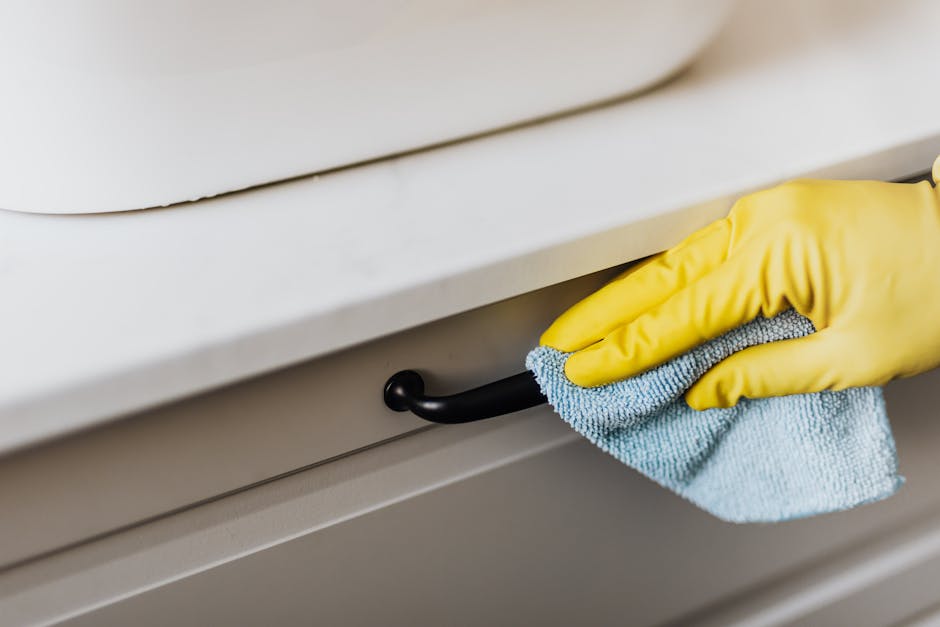
Use a microfiber cloth or soft sponge. Never use abrasive scrubbers or rough towels, which can damage cabinet finishes or create dull spots.
Wipe in the direction of the wood grain if your cabinets have wood finishes. This keeps everything looking even.
Step 7: Dry Your Cabinets
Use a dry cloth to remove any remaining moisture. Excess water sitting on wood can cause swelling or finish damage over time.
Step 8: Don't Forget the Sides and Back
Grease accumulates on the tops and sides of cabinets too. Wipe down all surfaces, including the sides facing other appliances.
Pro Tips for Tough Grease

Sometimes cabinets need extra help. Here are tricks that actually work.
Use Heat to Your Advantage
Grease softens when warm. If you're using a spray solution, use hot water instead of cold. A hairdryer on low heat can also help warm stubborn grease before cleaning, making it easier to lift off.
Let Cleaner Dwell
Patience beats force every time. Instead of scrubbing hard, let your cleaner sit and work for several minutes. This is especially true with degreaser products that are designed to penetrate grease bonds.
Tackle Crevices with a Soft Toothbrush
Cabinet handles, seams, and decorative details trap grease. A soft toothbrush lets you reach these spots without damaging finishes. Dip it in your cleaning solution and gently work around details.
Work in Sections
Don't try to clean your entire kitchen at once. Work door by door. This prevents your cleaner from drying before you can wipe, and it keeps you from getting overwhelmed.
Maintaining Clean Cabinets Long-Term
The real win is keeping grease from building up in the first place.
Wipe your cabinet fronts weekly with a damp microfiber cloth. This removes fresh grease before it hardens. Monthly, do a deeper clean with your preferred solution.
Use your range hood when cooking. A good hood captures oil before it settles on cabinets. Even opening a window during cooking helps reduce airborne grease.
If you're cleaning regularly anyway, keep All Green Degreaser in your kitchen cabinet. It's ready when you need a quick grease-cutting solution that won't fill your kitchen with chemical smell or worry you about safety around kids and pets.
Cleaning Different Cabinet Finishes
Your cabinet material matters when choosing a cleaning method.
Painted Wood Cabinets
Most painted finishes handle vinegar and dish soap well. Avoid excessive water, which can seep into wood. Baking soda paste works great for spot cleaning without risk of finish damage.
Stained or Natural Wood
These are more sensitive. Stick with mild solutions like diluted dish soap or vinegar. Test first. Avoid heavy moisture, which darkens wood over time.
Laminate Cabinets
Laminate is durable and forgiving. Dish soap, vinegar, or degreaser all work well. Just don't soak seams where water can seep behind the laminate.
High-Gloss or Lacquered Finishes
These need gentle care. Avoid abrasive scrubbing. Mild soap and water or a non-toxic degreaser is your best bet. Vinegar can sometimes dull high-gloss finishes, so test first.
When to Call in Professional Help
Most cabinet grease situations you can handle yourself. But if your cabinets have elaborate carving, inlays, or antique finishes, professional cabinet cleaners have specialized tools and know-how to protect delicate surfaces.
The same goes if your cabinets have accumulated years of grease and require restoration rather than cleaning. A pro can assess whether your finish needs refinishing or if cleaning will bring them back to life.
Why Eco-Friendly Matters for Kitchen Cleaning
Your kitchen is where your family eats. Standard commercial degreasers contain chemicals like petroleum distillates, ammonia, or synthetic fragrances. These can linger on surfaces where you prepare food.
According to research from the National Center for Biotechnology Information, exposure to household chemical cleaners can affect indoor air quality and respiratory health, especially for children and those with asthma.
An eco-friendly alternative like All Green Degreaser cuts grease just as effectively but without fumes or chemicals you'd worry about around your family. You get clean cabinets and peace of mind.
Frequently Asked Questions
Can I use bleach to clean greasy cabinets?
No. Bleach is designed to disinfect and remove stains, not cut grease. It won't effectively remove grease buildup, and it can damage wood finishes or discolor cabinet surfaces. Stick with grease-cutting solutions like soap, vinegar, or a dedicated degreaser.
How often should I clean my kitchen cabinets?
Weekly light wipes keep fresh grease from building up. Do a deeper clean with your chosen solution monthly. If you cook frequently or have a large family, you might clean every two weeks. Heavy cooking environments might need weekly deep cleans.
Will vinegar damage my wood cabinets?
Diluted vinegar (50/50 with water) is safe for most wood cabinets. The key is not leaving excess moisture sitting on the surface. Spray lightly, let sit briefly, and wipe dry immediately. If you're nervous, test a small hidden area first. For very fine or antique wood, use plain soap and water instead.
Can I use a magic eraser on greasy cabinets?
Magic erasers are mildly abrasive and can remove light grease, but they risk dulling or scratching cabinet finishes, especially on painted or glossy surfaces. It's better to use a solution that dissolves grease chemically rather than relying on scrubbing power. Save magic erasers for tough spots on walls or baseboards, not fine cabinetry.
Non-toxic. Biodegradable. Actually works
Try Our 12oz Sample →