

Removing grease from your grill doesn't have to mean breathing in toxic fumes or scrubbing for hours. The key is starting with the right approach: turn off your grill completely, let the grates cool slightly so they're warm but not scorching, and use a combination of scraping and gentle cleaning methods to dissolve built-up grease without damaging your equipment.
In this article
- Why Grease Buildup Matters on Your Grill
- Step 1: Safety First—Turn Off Heat and Let It Cool
- Step 2: Scrape Away Loose Debris First
- Step 3: Use Thermal Shock and Steam to Break Down Grease
- Step 4: Apply a Non-Toxic Degreaser
- Step 5: Scrub and Rinse Thoroughly
- Don't Forget the Grill Exterior and Surrounding Areas
- Make Grill Cleaning Part of Your Routine
- Frequently Asked Questions
Why Grease Buildup Matters on Your Grill
Grease that sits on your grill grates doesn't just look gross—it affects how your grill performs. Caked-on grease and charred food residue trap heat unevenly, create flare-ups, and can actually ruin the taste of what you're cooking. The good news? Regular maintenance stops this from happening in the first place.
When you clean your grill consistently, you're also preventing grease fires. A grill loaded with old grease is a fire hazard, especially if you're cranking up the heat on a weekend cookout. Keeping your grates clean means safer, better cooking every single time.
Step 1: Safety First—Turn Off Heat and Let It Cool
Always start by turning off all heat sources. If you have a gas grill, shut off the gas at the valve. For charcoal grills, make sure there are no active flames or hot coals nearby.
Next, let your grates cool down—but don't wait until they're completely cold. Warm grates are actually your best friend when removing grease. The warmth helps loosen buildup without being so hot that you risk burns or the grease turning to smoke. Think lukewarm, not hot-to-the-touch.
Step 2: Scrape Away Loose Debris First
Before you use any cleaning liquid or spray, grab a sturdy grill brush or scraper and remove all the loose food bits and flaking debris. This step is critical because it stops old charred food from mixing with your cleaning solution and creating a grimy paste.
Related: How to Remove Oil from Driveway: Easy Steps That Work
Push the scraper along the length of each grate, getting into the gaps where grease loves to hide. Don't worry about perfect cleanliness yet—you're just clearing the loose stuff so your cleaning method can actually reach the stubborn grease underneath.
Step 3: Use Thermal Shock and Steam to Break Down Grease

One of the most effective ways to remove grease from grill grates is using thermal shock—the contrast between cold and hot temperatures. Here's how: heat your grill to medium-high for a few minutes to warm up the grates. Then, carefully pour a small amount of water onto the hot grates from a spray bottle.
Related: How to Remove Grease from Kitchen Cabinets: A Safe Guide
Related: How to Remove Grease from Pans: 5 Easy Methods
The steam that forms helps break down grease without any chemicals at all. The temperature change causes grease to loosen from the metal, making it easier to wipe away. This method is totally safe for you, your family, and your pets since you're only using water.
Step 4: Apply a Non-Toxic Degreaser
For tougher, caked-on grease that won't budge with just scraping and steam, a biodegradable degreaser makes a huge difference. Look for a product that's specifically formulated to cut through grease without harsh chemicals or toxic fumes. All Green Degreaser is designed to dissolve stubborn buildup on cooking surfaces while staying safe around your family and pets.
Non-toxic. Biodegradable. Actually works
Try Our 12oz Sample →
Spray or apply the degreaser directly onto the greasy areas of your grates. Let it sit for a few minutes so it can break down the grease. You don't need to let it sit for ages—just long enough for the formula to start working.
Step 5: Scrub and Rinse Thoroughly
Once your degreaser has had time to work, use your grill brush or a stiff brush to scrub the grates in circular motions. Pay extra attention to spots with heavy grease buildup. You should see the grease starting to lift away from the metal.
After scrubbing, rinse your grates thoroughly with clean water. Make sure you remove all traces of the cleaning product so nothing interferes with your next meal. Dry the grates with a clean cloth or let them air dry completely before using your grill again.
Don't Forget the Grill Exterior and Surrounding Areas
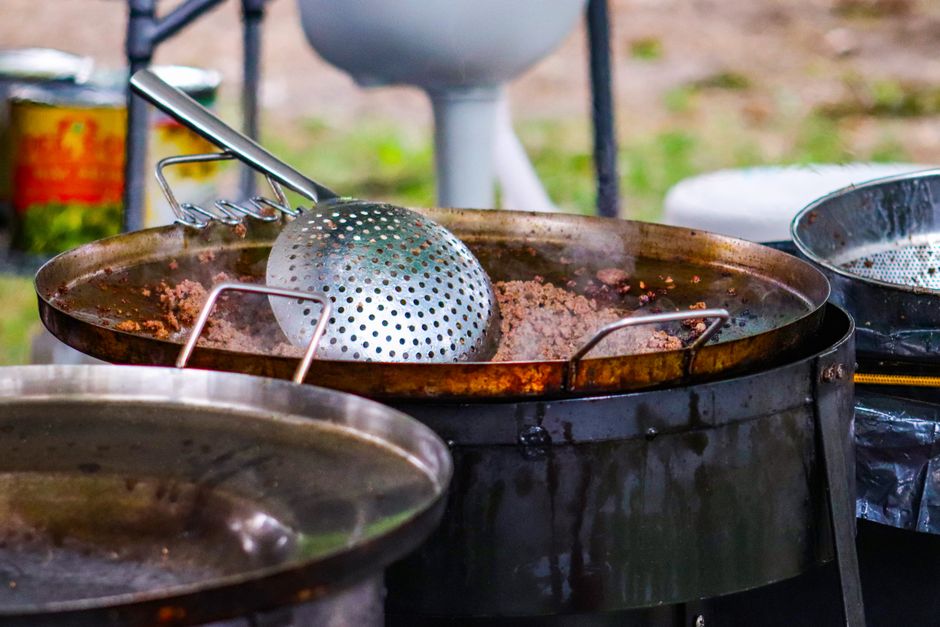
The outside of your grill gets greasy too, especially around the cooking surface and the sides. Use the same degreaser and a soft brush to clean these areas. Grease splatter builds up over time and can look unsightly if you don't address it.
For stubborn grease on the grill's exterior metal, the same thermal shock method works—a little water and steam can help release grease that's been baked on by the sun and heat. Just be gentle with painted or coated surfaces.
Make Grill Cleaning Part of Your Routine
The easiest way to handle grease removal is to stop it from becoming a huge problem in the first place. Clean your grates after every few cookouts rather than waiting until they're completely coated. A quick 5-minute scrape and rinse keeps grease from accumulating into that stubborn, caked-on mess.
Keep a degreaser handy so you're ready when you spot buildup. Having non-toxic grill cleaning supplies stored near your grill makes maintenance feel less like a chore and more like second nature.
Frequently Asked Questions
Can I use dish soap to clean my grill grates?
Dish soap can work in a pinch, but it's not ideal for heavy grease buildup on grill grates. Dish soap is designed for plates and cookware, not for the thick, charred grease you find on grills. A degreaser formulated specifically for grill cleaning will cut through that buildup much faster and more effectively.
How often should I clean my grill to prevent grease buildup?
Clean your grates after every two or three cookouts, depending on how much you cook. A quick scrape and rinse takes just a few minutes and stops grease from turning into that nightmare caked-on layer. If you grill a lot, shoot for after every cookout—it's worth it.
Is it safe to use chemical degreasers on a grill where I cook food?
Harsh chemical degreasers can leave residue that contaminates your food. Always choose a non-toxic, biodegradable formula and rinse thoroughly afterward. Your family deserves a grill that's clean without chemical risk, so make safety your priority when choosing a cleaning product.
What if my grill grates are really badly rusted?
Rust is tougher than grease, but a good degreaser combined with scrubbing can help remove the layer of grease that's hiding the rust underneath. Once the grease is gone, you can address rust separately. Regular cleaning prevents rust from getting bad in the first place by keeping moisture and old food residue off the metal.
Non-toxic. Biodegradable. Actually works
Try Our 12oz Sample →