

Greasy kitchen cabinets are one of those cleaning challenges that never seems to get easier. You cook, steam rises, and before you know it, your cabinet doors are sticky and dull. The problem gets worse if you're reaching for harsh commercial degreasers that leave chemical residue, toxic fumes, and worry about what you're exposing your family to. You deserve a degreaser for kitchen cabinets that actually works without the safety trade-off.
The good news: you don't have to choose between powerful cleaning and peace of mind. There are proven, effective options available right now that cut through kitchen grease without synthetic chemicals or fumes. Let's walk through what works, why it matters, and how to tackle your cabinet cleaning in minutes.
In this article
- Why Kitchen Cabinet Grease Builds Up (and Why It Matters)
- The Best Degreaser for Kitchen Cabinets
- Other Effective Options Worth Considering
- How to Clean Your Kitchen Cabinets the Right Way
- Why Safety and Effectiveness Don't Have to Be Trade-offs
- Cabinet Material Matters: Choose Accordingly
- The Bottom Line: Pick a Degreaser and Start Today
Why Kitchen Cabinet Grease Builds Up (and Why It Matters)
Every time you cook, microscopic particles of cooking oil and grease become airborne. They land on your cabinets, especially the ones closest to your stove. Over time, this builds into a sticky, dull film that collects dust and makes your kitchen look tired.
Beyond appearance, this buildup attracts more grime and becomes harder to clean the longer you wait. That's why choosing the right degreaser matters: the wrong product either doesn't work at all or leaves behind residue that makes the problem worse. You want something that dissolves grease on contact and leaves your cabinets clean and dry.
The Best Degreaser for Kitchen Cabinets
When you're shopping for a kitchen cabinet degreaser, you're really looking for three things: effectiveness, safety, and ease of use. All Green Degreaser checks all three boxes. It's a water-based, non-toxic formula specifically engineered to cut through cooking grease, oil, and buildup without harsh chemicals, synthetic fragrances, or fumes that linger in your kitchen.
Related: Best Degreaser for Kitchen Cabinets: 2026 Data Report & Statistics
Related: How to Remove Grease from Kitchen Cabinets: A Safe Guide
Related: Best Degreaser Concentrate for Kitchen & Garage Grease
Related: Best Kitchen Degreaser 2026: Top 5 Ranked & Compared
Related: Best Kitchen Degreaser Spray 2026: Top 5 Ranked
Related: Non-Toxic Kitchen Degreaser for Stoves: Safe Cleaning Guide
Related: Best Degreaser for Kitchen & Home Cleaning in 2026

What makes it stand out is that it works on all cabinet types: wood, laminate, veneer, and painted finishes. You spray it on, let it sit for a few seconds, wipe it down with a soft cloth, and you're done. No residue, no streaks, and your cabinets look refreshed.
The biodegradable formula means you're not introducing toxic compounds into your home or down your drains. If you have kids or pets, this matters. According to research from the U.S. Environmental Protection Agency, volatile organic compounds (VOCs) from conventional cleaning products can accumulate in your home and affect indoor air quality. Non-toxic alternatives eliminate that risk entirely.
Other Effective Options Worth Considering
If you want alternatives, here are a few trusted options:
- Simple Green Industrial Cleaner: A budget-friendly, eco-friendly formula that tackles tough, persistent grease buildup. It's water-based and leaves no residue, making it a solid choice if you're watching your budget.
- Murphy's Oil Soap Spray: A classic favorite for wood cabinets specifically. It cleans grease and conditions wood in one step, which is helpful if your cabinets are natural or stained wood.
- Dish Soap, Vinegar, and Baking Soda: A DIY option that actually works for lighter buildup. Mix a few drops of dish soap with warm water and white vinegar, spray it on, and scrub with a soft cloth. Add baking soda if you need extra abrasive power for stubborn spots.
The DIY route is affordable, but it takes longer and doesn't work as well on heavy grease. For most households, a purpose-built degreaser saves time and delivers better results.
How to Clean Your Kitchen Cabinets the Right Way
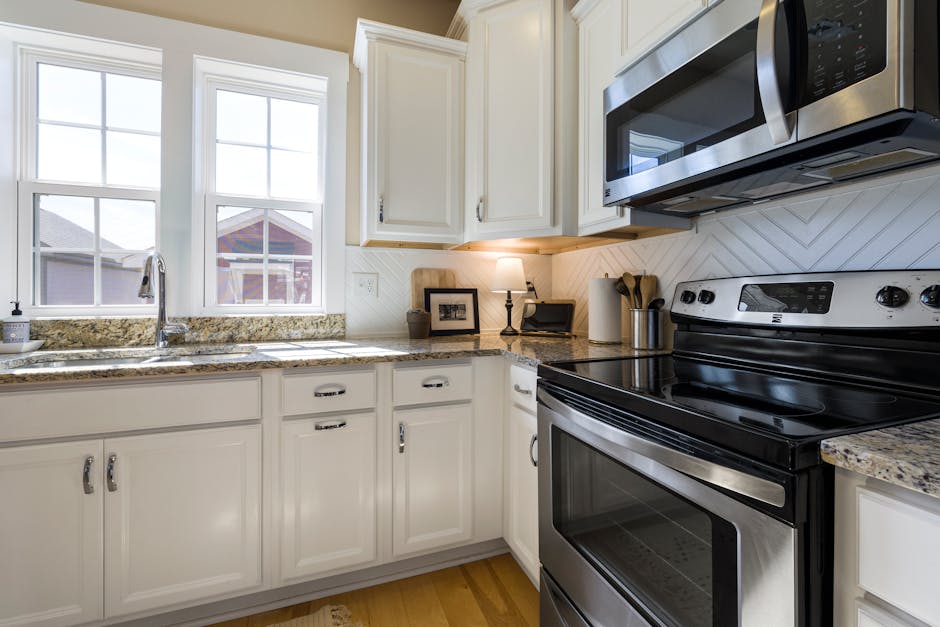
The application process matters as much as the product you choose. Here's the step-by-step approach that gets the best results:
- Prep: Remove items from your countertop so you have clear access to the cabinet doors and fronts.
- Spray: Apply your degreaser directly to the cabinet surface, focusing on high-traffic areas around the stove and handles.
- Wait: Let the degreaser sit for 30 to 60 seconds. This gives it time to break down the grease.
- Wipe: Use a soft, damp cloth to wipe down the cabinets in circular motions. For stubborn spots, apply a bit of extra pressure or let it sit longer.
- Dry: Go over your cabinets with a dry cloth to prevent water spots and streaks. This step is critical and takes just a minute.
The whole process typically takes 15 to 20 minutes for an average kitchen. If you use a water-based formula like All Green Degreaser, you won't have to worry about chemical residue or fumes while you work.
Non-toxic. Biodegradable. Actually works
Try Our 12oz Sample →Why Safety and Effectiveness Don't Have to Be Trade-offs
Here's what matters: you shouldn't have to hold your breath or wear gloves to clean your own kitchen. Conventional degreasers often use harsh solvents and petroleum-based ingredients that cut grease fast but leave behind toxic residue. Your family breathes that air every day.
Modern non-toxic formulas have caught up. They're just as effective as harsh alternatives because they're specifically engineered to break down grease at a molecular level without relying on synthetic chemicals. The trade-off isn't power; it's peace of mind.
When you choose a product like All Green Degreaser, you're investing in a cleaner kitchen and a safer home environment. That's not a soft benefit; it's a tangible outcome that matters every single day, especially if you're cooking multiple times a week.
Cabinet Material Matters: Choose Accordingly
Different cabinet types require slightly different approaches. Wood cabinets can be sensitive to excess moisture, so make sure to dry them thoroughly after cleaning. Laminate and painted finishes are more durable but still benefit from a dry-down to avoid water spots. High-gloss finishes show every streak, so take your time with the final wipe.
The good news: water-based degreasers work safely on all of these materials without stripping finish or causing damage. Just follow the drying step and you're good to go.
The Bottom Line: Pick a Degreaser and Start Today

Greasy cabinets don't get better on their own, and the longer you wait, the harder they become to clean. A dedicated kitchen cabinet degreaser solves this in minutes, and choosing one that's safe for your family is the smart move.
Whether you go with a commercial product or a DIY solution, the key is consistency. Clean your cabinets every 2 to 4 weeks to prevent heavy buildup, and you'll be surprised at how much better your kitchen looks and feels. Your cabinets will stay brighter, your kitchen will smell fresh (without artificial fragrance), and you'll have the confidence that you're using a product that aligns with your values and your family's health.
What's the fastest way to clean greasy kitchen cabinets?
Spray your degreaser directly onto the cabinet surface, wait 30 to 60 seconds for it to break down the grease, wipe with a soft cloth, and dry immediately. The entire process takes 15 to 20 minutes for most kitchens. Non-toxic, water-based formulas cut grease just as fast as harsh chemicals without the fumes.
Is it safe to use degreaser on all cabinet types?
Water-based, non-toxic degreasers are safe for wood, laminate, veneer, and painted cabinets. Always wipe dry after cleaning to prevent water spots or damage. Avoid leaving liquid sitting on wood for extended periods, and test any new product on a hidden area first if you're uncertain.
Can I make my own kitchen cabinet degreaser?
Yes. A simple mixture of dish soap, white vinegar, and warm water works for light grease. Add baking soda for scrubbing power on stubborn spots. This DIY option is affordable but takes longer and isn't as effective on heavy, built-up grease as a purpose-built degreaser.
How often should I clean my kitchen cabinets?
Every 2 to 4 weeks is ideal if you cook regularly. More frequent light cleaning prevents heavy buildup and makes each session faster. If you cook daily or have heavy grease exposure, clean more often. Spot-clean spills immediately to prevent them from hardening.
Non-toxic. Biodegradable. Actually works
Try Our 12oz Sample →