

So you've got grease everywhere and you're not sure where to start. Here's the honest truth: knowing how to get rid of grease the right way saves you time, protects your pipes, and keeps your home clean without toxic fumes.
In this article
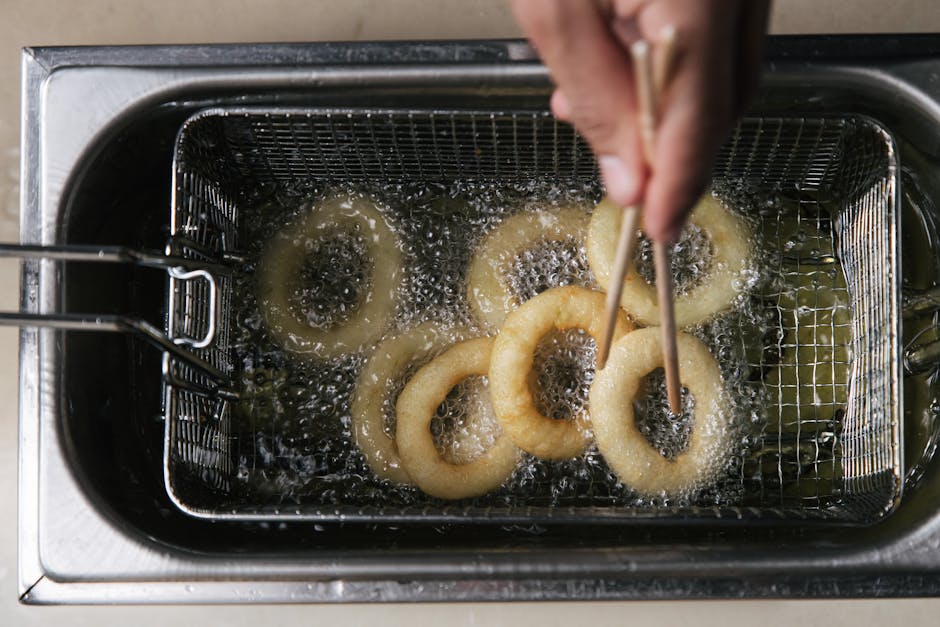
The Right Way to Dispose of Cooking Grease
First things first. Never, ever pour grease down your drain. We know it's tempting when it's hot and liquid, but it solidifies in your pipes and creates a gross, expensive mess. Trust us on this one.
Related: How to Clean Grease Off Stove: 5 Easy Methods
Instead, let your grease cool completely. Once it's solid or semi-solid, pour it into a sealed container. An old soda can opened with a can opener works great as a temporary grease trap. Seal it up and toss it in your trash.
If you've got a lot of grease, consider whether you can reuse it. Strained cooking oil is perfect for future meals, frying, or baking. Many communities also have proper recycling programs for used cooking oil. Check with your local waste management facility to see what options are available where you live.
Cleaning Grease Buildup Around Your Kitchen
Grease splatter on your stovetop, counters, and backsplash is a different animal than disposing of used oil. This is where a good degreaser comes in.
Related: Best Food Safe Degreaser 2026: Top 5 Ranked
Related: Best Degreaser for Kitchen Cabinets: Safe & Effective
A simple homemade solution works for light grease: mix equal parts white vinegar and water in a spray bottle. Spray it on, let it sit for a minute, and wipe. It cuts through light grease without any harsh chemicals or strong smells that bother your kids or pets.
For stubborn, baked-on grease, you need something stronger. All Green Degreaser is made specifically for this kind of job. Spray it directly on the greasy surface, let it sit for 30 seconds, and wipe clean. It's powerful enough to handle heavy kitchen grime, but it doesn't contain the harsh chemicals found in traditional degreasers.
Non-toxic. Biodegradable. Actually works
Try Our 12oz Sample →
The key is scrubbing a little bit. Even the best degreaser works better when you put in a tiny bit of elbow grease. Use a soft cloth or sponge and you'll be surprised how fast the grease disappears.
Tackling Grease in Your Bathroom
Bathroom grease is usually a combo of soap scum, body oils, and product buildup. It likes to hide on shower walls, around faucets, and in sink drains.
Spray your degreaser on the problem area and let it sit for a minute. The longer you let it work, the less scrubbing you have to do. Wipe or scrub with a non-abrasive cloth, rinse well, and you're done.
For soap scum specifically, vinegar spray is surprisingly effective. The acidity breaks down mineral deposits and oily residue. If vinegar isn't cutting it, step up to a dedicated degreaser that you know is safe around your family and pets.
Getting Grease Off Garage Floors and Tools
Garage grease is the tough stuff. Oil stains, automotive fluid, and years of accumulated gunk require a degreaser that actually performs.
Related: How to Remove Oil Stains from Driveway: Fast Methods
Related: How to Remove Grease from Pans: 5 Easy Methods
Related: How to Remove Baked On Grease: 5 Easy Methods
Related: How to Remove Oil Stains from Concrete: 6 Proven Methods
Related: How to Remove Grease from Concrete: Easy Methods That Work
Absorbent materials help manage fresh spills. Cat litter, sawdust, or specialized absorbent pads soak up the oil so you can contain it and dispose of it properly. Let it sit for a few minutes, sweep it up, and seal it in a bag or container.
For dried stains, spray your degreaser liberally and let it work for 2-3 minutes. Don't rush this step. The longer the degreaser sits, the more grease it breaks down. Then scrub with a stiff brush, rinse, and repeat if needed.
Many people avoid garage degreasers because they worry about toxic fumes while working in a confined space. All Green Degreaser gives you heavy-duty performance without the respiratory irritation or skin concerns that come with petroleum-based products.
Why Eco-Friendly Degreasers Actually Work Better
You might think that "non-toxic" means "weak." It doesn't. Modern eco-friendly degreasers use plant-based ingredients that break down grease molecules faster than you'd expect.
The real advantage is that you're not breathing in harmful fumes while you clean. Your kids can be in the next room without you worrying. Your pets won't get sick if they lick a cleaned surface before it fully dries.
According to the EPA's Safer Choice program, products made without harsh solvents and volatile organic compounds (VOCs) are just as effective for household cleaning when they're formulated correctly. The difference is peace of mind.
Step-by-Step: Your Grease-Cleaning Process
Here's the fastest way to handle any greasy surface:
- Spray your degreaser directly on the grease
- Wait 30 seconds to 2 minutes depending on how thick the buildup is
- Scrub gently with a soft cloth or sponge
- Wipe clean with a damp cloth
- Dry with a paper towel or cloth to avoid water spots
That's it. Consistency matters more than aggression. Regular cleaning prevents heavy buildup, which means you spend less time scrubbing overall.
What to Keep on Hand
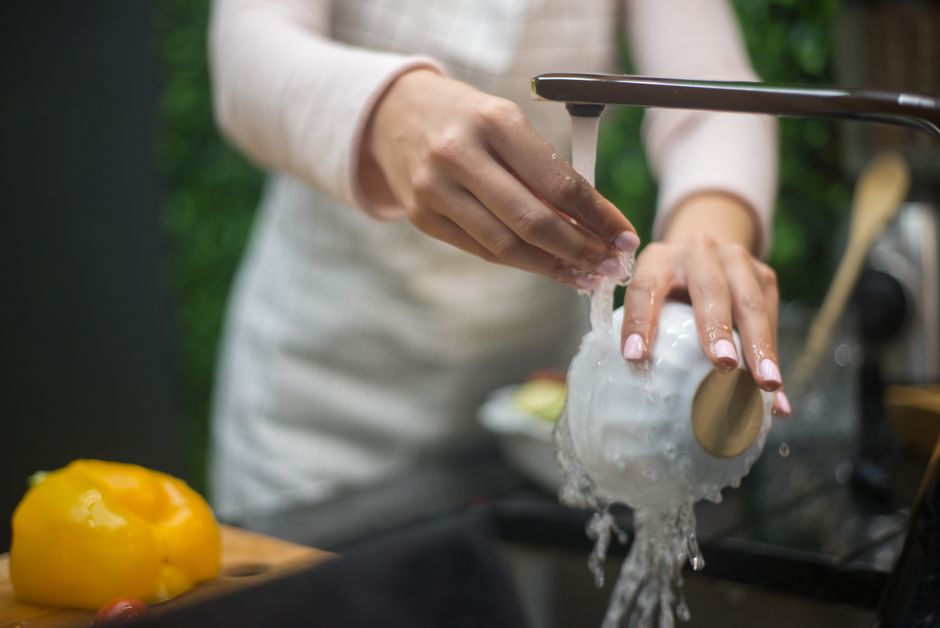
Build a simple grease-fighting arsenal. Keep white vinegar and water in a spray bottle for daily maintenance. Stock a reliable, non-toxic degreaser for the heavy stuff. Grab some absorbent materials for spill containment. And invest in good cloths and sponges that won't scratch your surfaces.
If you're serious about keeping grease under control without chemicals that worry you, All Green Degreaser is worth having in your cleaning cabinet. One bottle lasts a long time because it's concentrated, and it works on kitchen grease, bathroom buildup, and garage stains without requiring you to wear gloves or open a window.
People Also Ask
Can I pour grease down the drain if I run hot water after it?
No. Hot water keeps grease liquid temporarily, but it solidifies the moment it cools down further in your pipes. You'll create blockages that are expensive and annoying to fix. Dispose of grease in a sealed container every time.
Is vinegar as good as commercial degreasers?
Vinegar works great for light grease and daily maintenance. For baked-on grease, heavy buildup, or oil stains, you need a degreaser formulated specifically to break down grease molecules. Vinegar is your first line of defense; a proper degreaser is your backup plan.
How long should I let degreaser sit before wiping?
Light grease needs 30 seconds. Medium buildup needs 1-2 minutes. Heavy, baked-on grease benefits from 3-5 minutes. Patience pays off. The degreaser does the hard work if you give it time.
Is it safe to use eco-friendly degreaser around kids and pets?
Yes, that's literally the whole point. Non-toxic, biodegradable degreasers are formulated so your family and pets aren't exposed to harmful chemicals. Always follow the label instructions, but you don't need to worry about respiratory irritation or skin reactions the way you would with traditional industrial degreasers.
Non-toxic. Biodegradable. Actually works
Try Our 12oz Sample →