

The easiest way to remove grease from your range hood is to soak it with hot soapy water mixed with baking soda, let it sit for 10 minutes, then scrub it clean. The heat and the baking soda work together to break down built-up grease so you don't have to scrub as hard. Most of the time, this simple method works on both the filters and the exterior surfaces without needing anything harsh or toxic.
Range hoods collect grease every time you cook. If you wait too long between cleanings, that grease hardens and becomes way harder to remove. The good news is that you don't need toxic chemicals or industrial degreasers to handle the job. A straightforward approach using items you probably have at home works just fine, and All Green Degreaser can help you do it safely without exposing your family to harsh fumes.

In this article
- The Basic Hot Water and Dish Soap Method
- The Power Cleaning Solution: Hot Water, Soap, and Baking Soda
- How to Clean Range Hood Filters
- Monthly Maintenance to Keep Grease from Building Up
- Pro Tips for Faster, Easier Cleaning
- When to Call It Done
- Safe Cleaning Without Harsh Chemicals
- FAQs About Removing Range Hood Grease
The Basic Hot Water and Dish Soap Method
Start with the simplest approach: hot water and dish soap. This works best when you catch the grease before it gets too thick and crusty.
- Fill a basin or large bowl with hot water (as hot as your hands can handle).
- Add a few squirts of grease-cutting All Green Dish Wash to the water.
- Dip a cloth or sponge into the soapy water.
- Wipe down the range hood's exterior surfaces and the visible parts of the fan.
- For extra stubborn spots, let the soapy cloth sit on the grease for a few minutes before wiping.
Why hot water? Grease dissolves way better in heat. Cool tap water doesn't cut through it nearly as well, so always use the hottest water that's safe for your hands.
The Power Cleaning Solution: Hot Water, Soap, and Baking Soda
When grease is thicker or more stubborn, add baking soda to your soapy water. This combination is one of the best non-toxic methods for tackling serious grease buildup.
- Fill a large basin with hot water.
- Add a generous squirt of dish soap.
- Sprinkle in about 2-3 tablespoons of baking soda.
- Stir until it's mixed well.
- Let the solution sit for a minute so the baking soda dissolves slightly.
You now have a paste-like liquid that clings to greasy surfaces better than plain soapy water. The baking soda acts as a mild abrasive and boosts the grease-cutting power of the soap without scratching surfaces or creating toxic fumes.
How to Clean Range Hood Filters
Your range hood filter traps most of the grease and grime, so it needs special attention. Don't skip this step, or your hood won't work as well.
- Remove the filter from your range hood (check your manual if you're not sure how).
- Prepare your hot water, dish soap, and baking soda cleaning solution in a large basin or sink.
- Place the filter in the solution and let it soak for 15 to 20 minutes.
- Use a soft brush or old toothbrush to gently scrub the filter to loosen the grease.
- Rinse it under hot running water until the water runs clear.
- Pat it dry with a clean towel or let it air dry before putting it back.
Soaking does most of the work for you. The longer it sits, the more the grease loosens up, which means less elbow grease on your part. Don't be afraid to soak it even longer if the grease is really stubborn.
Monthly Maintenance to Keep Grease from Building Up

The best thing you can do is clean your range hood regularly so you never have to deal with baked-on, crusty grease. Once a month works well for most kitchens.
- Wipe down the exterior with a cloth dampened in hot, soapy water at least once a month.
- Wash the filter in hot soapy water monthly (or more often if you cook a lot).
- For the fan itself, check it during your monthly cleaning and wipe it down if you see grease buildup.
Monthly cleaning takes about 10 minutes and prevents you from ever facing a major grease crisis. It's so much easier than waiting six months and then spending an hour scrubbing.
Pro Tips for Faster, Easier Cleaning
A few tricks can make the whole process smoother.
- Apply soaked paper towels directly to very greasy surfaces and let them sit for 10 minutes. The moisture softens the grease so it wipes away more easily.
- Use a non-abrasive degreaser on delicate finishes so you don't scratch the hood's surface. Most range hoods have a protective coating that scratching can damage.
- Always use a soft cloth or sponge. Scouring pads can scratch stainless steel, chrome, or painted surfaces.
- Work from top to bottom so dirty water drips down instead of over already-clean areas.
If you're looking for a powerful degreaser that's safe around kids and pets, All Green Degreaser handles grease removal without the toxic chemicals found in many commercial products. It's made in the USA and biodegradable, so you can feel good about what you're using in your kitchen.
Non-toxic. Biodegradable. Actually works
Try Our 12oz Sample →When to Call It Done
You don't need your range hood to look brand new every time. Once the grease is gone and the surfaces are clean to touch, you're done. Don't over-scrub or you'll wear out your cloth and waste time.
If your hood has a deep-clean setting or detachable parts beyond the filter, check your manufacturer's instructions. Some range hoods have removable fan blades that benefit from a soak in your cleaning solution too.
Safe Cleaning Without Harsh Chemicals
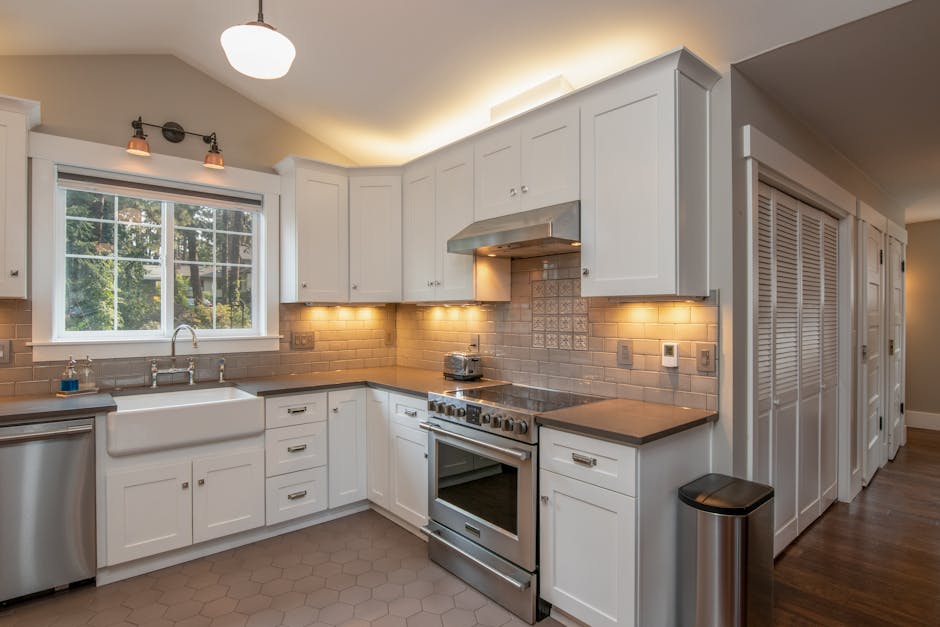
One of the best reasons to use simple, non-toxic methods is that you're protecting your family while you clean. Harsh chemical degreasers release fumes that aren't good for kids or pets, especially in a kitchen where people eat.
The hot water and dish soap approach works just as well and keeps your indoor air quality intact. You also won't have to worry about chemical residue staying on surfaces where you prepare food. All Green Degreaser offers a plant-based, biodegradable option if you want a dedicated degreaser that handles tough jobs while staying safe for your home.
FAQs About Removing Range Hood Grease
How often should I clean my range hood filter?
Clean it once a month if you cook regularly. If you cook every single day or use your stovetop for multiple meals, clean it every two weeks. Signs you need to clean it sooner include visible grease buildup or a range hood that's not pulling smoke and steam as well as it used to.
Can I put my range hood filter in the dishwasher?
Check your manual first. Some filters are dishwasher-safe and some aren't. If yours isn't dishwasher-safe, hand washing with the hot water and baking soda method is your best bet. Hand washing also gives you control so you don't accidentally damage the filter.
What if the grease won't come off no matter how long I soak it?
Try soaking it even longer, up to an hour. You can also apply a small amount of undiluted dish soap directly to the greasiest spots, let it sit for 10 minutes, and then scrub gently. If you still have trouble, a non-toxic degreaser designed for tough kitchen jobs can help break down really old, baked-on grease.
Is it safe to clean my range hood while it's plugged in?
No. Always unplug your range hood before cleaning it, or turn off the circuit breaker that controls it. This keeps you safe from electrical hazards while you're working with water and wet cloths. Make sure it's completely dry before you plug it back in or turn the power back on.
Non-toxic. Biodegradable. Actually works
Try Our 12oz Sample →