

Here's the good news: grease stains don't have to ruin your favorite clothes. Even if you've already washed and dried something, you can still get the grease out if you tackle it with the right method.
The key is understanding how grease works and why it clings to fabric the way it does. Once you know that, removing grease stains becomes way less stressful.
Related: Best Wax and Grease Remover 2026: Top 5 Ranked
Related: Best Grease Cleaners 2026: Top 5 Ranked & Tested
Related: Best Pet Safe Grease Remover Spray 2026: Top 5 Ranked
In this article
- Why Grease Stains Are So Stubborn
- Step 1: Act Fast (Before Washing)
- Step 2: Pretreat With the Right Solution
- Step 3: Soak in Warm Water
- Step 4: Wash in the Warmest Water Safe for the Fabric
- Step 5: Air Dry (This Is Critical)
- Removing Grease Stains That Have Already Been Dried
- Tips for Delicate Fabrics
- Common Mistakes to Avoid
- Why Choose a Non-Toxic Degreaser
- When to Call It Quits
Why Grease Stains Are So Stubborn
Grease is oily, which means water alone won't dissolve it. When grease sits on fabric, it bonds to the fibers and can actually become harder to remove the longer it sits there.
Related: Best Grease Stain Removers 2026: Top 5 Ranked
Related: How to Remove Oil Stains from Concrete: 6 Proven Methods
Related: How to Clean Oil Off Concrete: The Complete Guide
Related: How to Get Grease Off Concrete: The Complete Guide
The problem gets worse if you use hot water or throw the stained item in the dryer. Heat can actually set the grease stain permanently into the fabric, making it nearly impossible to remove later.
Related: How to Remove Grease: Complete Guide for Every Surface
Related: How to Remove Grease from Kitchen Cabinets: A Safe Guide
This is why acting fast and using the right treatment from the start makes such a huge difference.
Step 1: Act Fast (Before Washing)
The absolute best time to remove a grease stain is right after it happens. Don't wait, and definitely don't wash the item yet.
Blot (don't rub) the stain gently with a clean cloth or paper towel to remove any excess grease. Rubbing spreads the stain deeper into the fibers.
If there's wet grease, absorb it first. A little patience here saves you hours of scrubbing later.
Step 2: Pretreat With the Right Solution
This is where most people go wrong. They use water or regular laundry detergent, which doesn't break down grease effectively.
You have a few solid options:
- Dish soap: A small amount of liquid dish soap is one of the most effective grease fighters. Apply it directly to the stain, let it sit for 5-10 minutes, then gently work it in with an old toothbrush or your fingers.
- Stain remover: A dedicated stain remover spray or stick designed for grease works faster than dish soap alone. Follow the product instructions for how long to let it sit.
- Eco-friendly degreaser: If you have a non-toxic degreaser on hand, like All Green Degreaser, spray it lightly on the stain. The biodegradable formula cuts through grease without harsh chemicals that can damage delicate fabrics.
Whatever you choose, the key is letting the product sit on the stain for a few minutes so it can actually break down the grease.
Non-toxic. Biodegradable. Actually works
Try Our 12oz Sample →
Step 3: Soak in Warm Water
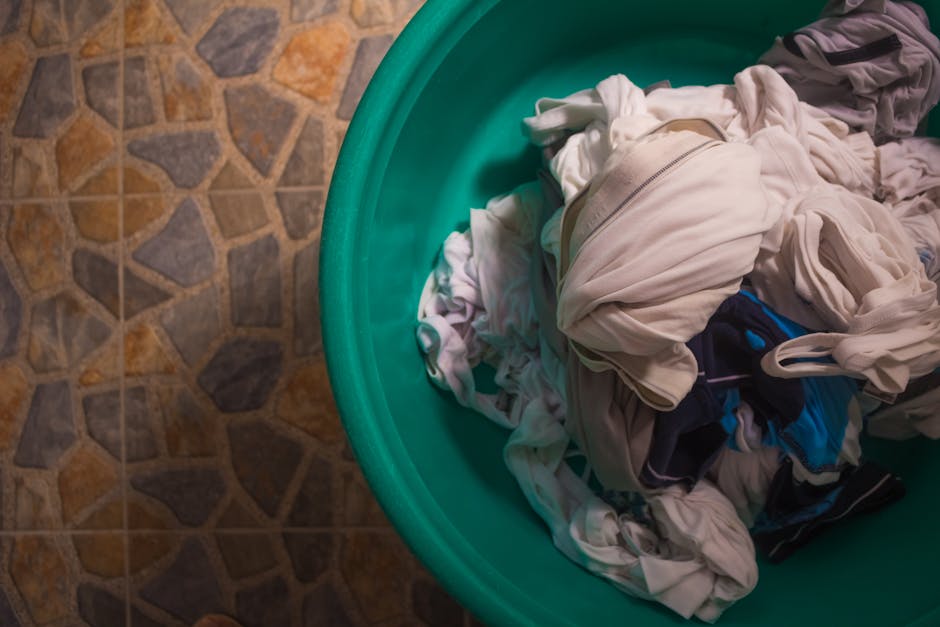
After pretreating, fill a basin or sink with warm (not hot) water and let the stained item soak for 30 minutes to an hour.
The warm water helps loosen the grease from the fibers, especially when combined with whatever pretreatment you used.
This step is surprisingly effective and costs nothing.
Step 4: Wash in the Warmest Water Safe for the Fabric
Check the care label on your garment. If it can handle warm or hot water, use it. Heat helps dissolve greasy residue better than cold water.
Use your regular laundry detergent, but don't overload the machine. The stained item needs room to move around so the water and detergent can do their job.
Run a normal wash cycle.
Step 5: Air Dry (This Is Critical)
Do not put the item in the dryer yet. This is the most important step people skip.
High heat in the dryer will set any remaining grease permanently into the fabric. Plus, grease in the dryer can create a fire hazard.
Instead, hang the item up or lay it flat to air dry. This gives you a chance to check if the stain is completely gone before heat locks it in.
If the stain is still there after air drying, repeat the pretreatment and wash steps. Only use the dryer once you're 100% sure the stain is gone.
Removing Grease Stains That Have Already Been Dried

Think you already ruined something by throwing it in the dryer with a grease stain? Don't give up yet.
Set-in stains are harder to remove, but they're not impossible. Start by pretreating with a strong grease-fighting solution. Dish soap still works, but you may need something more powerful.
An eco-friendly degreaser can be surprisingly effective on set-in stains because it's specifically formulated to break down stubborn grease. Apply it generously, let it sit for 15-20 minutes (longer than you would for fresh stains), then soak and wash as described above.
You might need to repeat this process 2-3 times for really stubborn stains, but patience pays off.
Tips for Delicate Fabrics
If you're dealing with a delicate item like a lightweight hoodie, dress, or anything made of silk or wool, be gentler with your approach.
Use cool or lukewarm water instead of warm, and avoid harsh scrubbing with a brush. Let the pretreatment do the work for you.
For delicate fabrics, a gentle, non-toxic degreaser is ideal because it cuts through grease without the risk of damage that harsher chemicals can cause.
Common Mistakes to Avoid
Don't use hot water on fresh stains. It can set the grease before you have a chance to treat it.
Don't rub the stain. Rubbing pushes grease deeper into the fibers. Always blot instead.
Don't skip the air-drying step. This is where most people accidentally make stains permanent.
Don't assume one wash will fix it. Greasy stains often need multiple treatments, and that's totally normal.
Why Choose a Non-Toxic Degreaser
If you're removing grease stains regularly (welcome to life with kids, pets, or a busy kitchen), investing in a reliable degreaser makes sense.
All Green Degreaser is a USA-made, biodegradable option that's tough on grease but safe for your family and the environment. It works on clothes, kitchen counters, garage floors, and basically any surface where grease shows up.
Related: Best Degreaser Concentrate for Kitchen & Garage Grease
Because it's non-toxic, you don't have to worry about harsh fumes or chemical residue on fabrics that touch your skin. It's especially great if you have kids or pets in the house.
The best part? It actually works. People aren't buying it because it's eco-friendly; they're buying it because it removes grease effectively, and the fact that it's safe is the bonus.
When to Call It Quits
If you've treated a stain 3-4 times and it's still visible, the stain may be truly set. Some fabrics and some types of grease are tougher than others.
At that point, you have a few options: accept the stain as part of the garment's character, have it professionally cleaned, or repurpose the item.
But honestly, most grease stains will come out if you're persistent and patient.
Do grease stains come out after drying?
Yes, but they're harder to remove. Dried grease stains require longer soaking, stronger pretreatment, and often multiple wash cycles. The key is not giving up after one attempt.
Can you remove grease stains with cold water?
Cold water alone won't remove grease stains. You need a pretreatment (like dish soap or degreaser) to break down the grease first, then warm water to help dissolve and rinse it out. Cold water is okay for rinsing, but not for the main wash.
What happens if you dry a grease stain?
Heat from the dryer can permanently set grease into fabric fibers, making the stain nearly impossible to remove. It also creates a fire hazard. Always air dry stained items until you're sure the stain is completely gone.
Is dish soap safe to use on all fabrics?
Dish soap is generally safe on most fabrics, but use it sparingly on delicate items. Always rinse thoroughly after using dish soap, as residue can leave marks. For delicate fabrics, a gentle, non-toxic degreaser is a safer bet.
Non-toxic. Biodegradable. Actually works
Try Our 12oz Sample →