

Oil stains on your concrete driveway or garage floor are frustrating, but the good news is they're totally fixable. The key is acting fast and knowing which method works best for your specific situation. Whether you're dealing with a fresh spill or a set-in stain that's been sitting for months, we'll walk you through exactly how to clean oil off concrete without damaging the surface or your family's health.
In this article
Tackle Fresh Oil Spills Immediately
If you just noticed oil dripping on your concrete, you're in luck. Fresh spills are way easier to handle than old stains because the oil hasn't had time to bond with the surface.
The first thing you want to do is cover the wet oil with an absorbent material. You have several options here:
- Clay cat litter (the most common choice)
- Regular sand or pea gravel
- Cornmeal or cornstarch
- Baking soda
Pour your chosen material generously over the oil spill and let it sit for at least 15-30 minutes. This gives the absorbent time to soak up as much of the liquid oil as possible. You'll see the material darken as it absorbs the oil. Then sweep it up with a push broom and dispose of it properly (check your local waste guidelines, as oil-soaked materials may need special disposal).
This step is crucial because it prevents the oil from spreading and makes the next cleaning steps much more effective. You want to remove as much surface oil as you can before applying any cleaning solution.
Related: How to Remove Grease: Complete Guide for Every Surface
Related: What Is a Degreaser? A Simple Guide for Home Cleaning
Related: How to Clean Grease Off Cabinets: Easy Step-by-Step Guide
Related: How to Remove Grease Stains: A Complete Guide
Related: Best Degreaser for Kitchen Cabinets: A Family-Safe Guide
Related: How to Get Grease Off Concrete: The Complete Guide
Related: How to Remove Oil Stains from Concrete: 6 Proven Methods
Use Safe, Non-Toxic Cleaners for Best Results
Here's where most people go wrong. They reach for harsh chemical cleaners that are tough on the stain but even tougher on their family and the environment. There are safer, smarter options that actually work better.
Dawn Dish Soap (Surprisingly Effective)
One of the easiest methods? Dawn dish soap applied directly to dry concrete. This works because Dawn is a degreaser at heart, designed to break down oil in your kitchen sink.
Here's the process:
- Make sure your concrete is completely dry
- Apply Dawn directly to the stain (don't dilute it yet)
- Let it sit for 5-10 minutes to penetrate the oil
- Scrub gently with a soft brush or cloth
- Let it absorb for another 10-15 minutes
- Rinse thoroughly with water
The key here is not adding water right away. You want the soap to have direct contact with the oil so it can break the bonds holding the stain to your concrete. This method works best on stains that aren't ancient.
Citric Acid and Soaking
Another natural option is citric acid, which you can find in products like Coca-Cola or buy as a powder online. Citric acid breaks down grease and oil without the toxic fumes of commercial degreasers.
Apply citric acid solution (or pour Coca-Cola) directly onto the stain and let it soak for 30 minutes to an hour. Then scrub gently and rinse. Stubborn stains might need multiple applications, so don't get discouraged if one round doesn't completely erase the mark.
Non-Toxic Degreaser
If you're dealing with a heavier stain or want to use a product specifically designed for this job, All Green Degreaser is formulated to cut through grease and oil without harsh chemicals or fumes. It's biodegradable, safe around kids and pets, and actually breaks down the molecular bonds in oil rather than just masking the problem.
Non-toxic. Biodegradable. Actually works
Try Our 12oz Sample →
The 12oz Spray is perfect for smaller stains or test areas, while a Quart Spray gives you more product if you're tackling multiple stains or a larger spill.
Apply it to the dry stain, let it sit for 5-10 minutes, scrub if needed, and rinse thoroughly. The non-toxic formula means you won't worry about residual chemicals seeping into groundwater or being tracked inside your home.
Prep Your Concrete Before Treatment
Before you apply any cleaning solution, take two minutes to prepare the surface. Use a push broom to sweep away loose dirt, leaves, and gravel. This might sound simple, but it makes a huge difference.
Dirt and debris can actually trap cleaning solution on the surface instead of letting it penetrate the stain. Plus, a clean surface gives you a better view of exactly where the oil is, so you don't waste product treating areas that don't need it.
Handle Stubborn, Set-In Stains
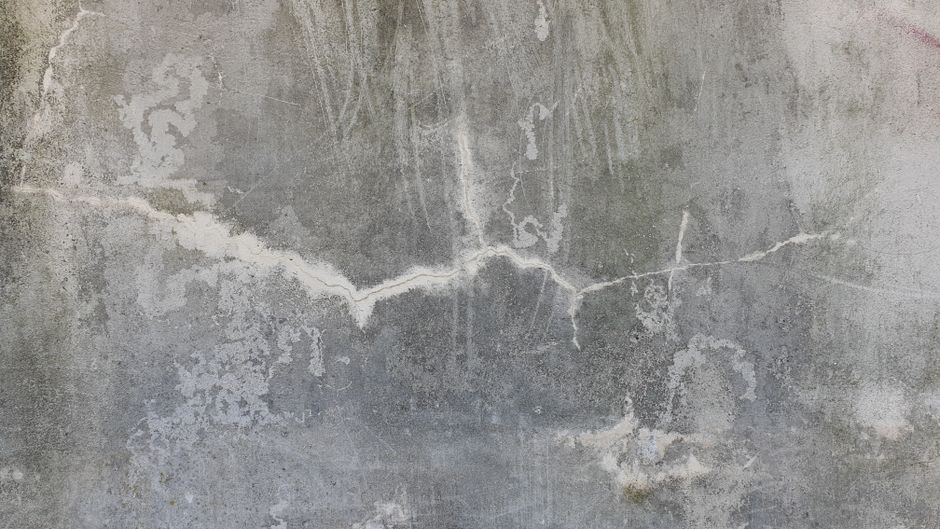
If your oil stain has been there for months or years, you're dealing with a different beast. Old stains have bonded deeply with the concrete, and no single application will magically erase them.
Your best bet is patience and repetition. Treat the stain using one of the methods above, let it sit longer (24-48 hours), and repeat. Each application will lighten the stain gradually. You might need 2-5 treatments depending on how dark the stain is and how long it's been there.
Some people also try using a pressure washer at low pressure (under 1,500 PSI) after applying a degreaser, but be careful not to damage the concrete surface. If you're going this route, test a hidden area first.
Don't expect old stains to disappear completely. Your goal is usually to lighten them significantly and prevent new oil from reaccumulating in that spot. Once you've treated the area, make sure to address whatever caused the oil spill in the first place (a leaky car, improper equipment storage, etc.).
Prevention Tips So You Don't Repeat This
Once you've cleaned your concrete, you'll want to prevent future stains.
- Fix leaky vehicles promptly. That drip today becomes a stubborn stain tomorrow.
- Park in one spot, not scattered around. This concentrates any potential spills and makes cleanup easier.
- Use cardboard or newspaper under parked cars to catch drips.
- Store oil cans, paint, and grease away from high-traffic areas.
- Keep absorbent materials (cat litter, sand) on hand for quick response to fresh spills.
The investment of keeping All Green Degreaser handy in your garage makes sense too. When you have a safe, effective cleaner within arm's reach, you're more likely to tackle spills right away before they set in.
Why Safe Cleaners Matter
Here's the honest truth: harsh chemical degreasers work fast, but they come with costs you might not think about. Toxic fumes drift into your home. Residues linger on concrete where kids play or pets dig. Chemical runoff seeps into soil and groundwater.
Non-toxic alternatives like the ones we've covered perform just as well (sometimes better) without those risks. They're safer to handle, safer around your family, and better for the environment. That's not a trade-off; that's a win-win.
According to research from the EPA, groundwater contamination from household chemicals is a serious issue that many people don't consider until it's too late. Choosing biodegradable, non-toxic cleaners is one small way you protect your local water supply.
Your Game Plan
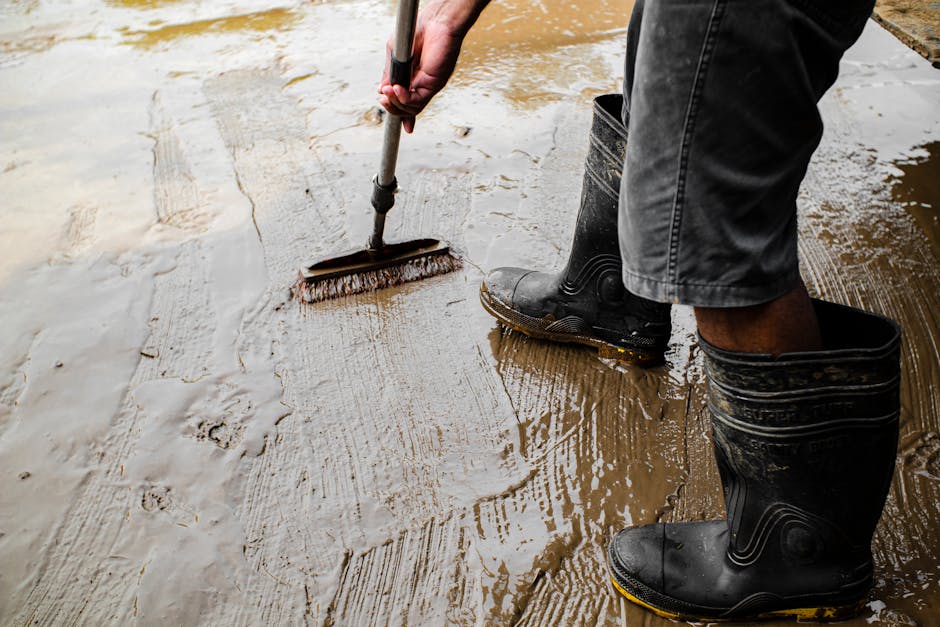
Start with what you have at home (Dawn or baking soda for fresh spills). If those don't work, move to citric acid or a non-toxic degreaser. Be patient with old stains, and don't hesitate to treat multiple times. Most importantly, act fast on fresh spills so they never become set-in stains in the first place.
Can I use bleach to clean oil off concrete?
No, bleach won't help. Bleach is designed to kill bacteria and lighten stains, but it doesn't break down oil molecules. You'd just be wasting bleach and exposing yourself to unnecessary fumes. Stick with degreasers or soapy solutions.
How long does it take to remove an oil stain?
Fresh spills can be cleaned in 30-60 minutes if you act quickly. Set-in stains take longer and might require multiple treatments over days or weeks. The older the stain, the more patience you'll need.
Will oil stains permanently damage my concrete?
Most oil stains don't permanently damage the concrete itself, but they can be tough to remove completely, especially if they've sat for a long time. The concrete remains structurally sound. Treat the stain as a cosmetic issue rather than a structural one.
Is it safe to use commercial degreasers around kids and pets?
It depends on the product. Many traditional degreasers contain toxic chemicals and produce harmful fumes. That's why choosing a non-toxic option like All Green Degreaser makes sense if your family spends time near the treated area. Your kids' and pets' safety should always come first.
Non-toxic. Biodegradable. Actually works
Try Our 12oz Sample →