

A degreaser is a cleaning product specifically formulated to break down and remove grease, oils, cutting fluids, and other stubborn residues that typical all-purpose cleaners struggle with. Unlike general household cleaners that might handle light messes, degreasers are engineered to dissolve thick, sticky buildup on surfaces like stovetops, kitchen cabinets, and garage floors.
The key difference? A degreaser contains surfactants and solvents that actually penetrate grease molecules and lift them away from the surface, rather than just pushing them around. It's like the difference between wiping at a stain and actually removing it.
In this article
- How Does a Degreaser Actually Work?
- Where You Actually Need a Degreaser
- Degreaser vs. All-Purpose Cleaner: What's the Real Difference?
- Types of Degreasers You'll Find
- Non-Toxic Degreasers vs. Harsh Chemical Ones
- How to Use a Degreaser Effectively
- Safety Tips When Using Degreasers
- Why Families Choose Non-Toxic Degreasers
- FAQs About Degreasers
How Does a Degreaser Actually Work?
Degreasers work by using chemistry to attack grease at a molecular level. When you spray a degreaser on a greasy surface, the surfactants in it surround grease molecules and separate them from the surface they're stuck to.
Think of it this way: grease loves to stick to surfaces. A degreaser contains ingredients that make grease want to separate and dissolve instead. Once the grease is broken down, it washes away with water, leaving your surface clean.
The best part? You don't need to scrub like crazy or use toxic fumes. All Green Degreaser uses plant-based surfactants and biodegradable ingredients that do the heavy lifting for you without harsh chemicals or safety concerns around kids and pets.

Where You Actually Need a Degreaser
Degreasers shine in specific situations where regular cleaners just don't cut it. Here are the spots in your home where they make the biggest difference:
- Kitchen stovetops and range hoods: These areas collect months of cooking grease splatter. A degreaser lifts it off in minutes instead of requiring aggressive scrubbing.
- Cabinet fronts: Especially around handles and light switches, grease and fingerprints build up fast. A degreaser removes them without damaging the finish.
- Bathroom tile and grout: Hard water stains mix with soap scum and body oils. A degreaser tackles that combination better than all-purpose cleaners.
- Garage floors and walls: Oil stains, grease drips from cars, and industrial grime need specialized removal. Degreasers designed for this purpose break through that buildup.
- Garden tools: Secateurs, hedge trimmers, and hand tools collect grease and dirt. Regular degreaser use keeps them functioning smoothly and extends their lifespan.
- Laundry stains: Oil-based stains on clothing respond well to degreasers applied before washing.
Degreaser vs. All-Purpose Cleaner: What's the Real Difference?
All-purpose cleaners are designed to handle a broad range of messes: light dust, fingerprints, general grime. They're great for everyday tidying.
But degreasers are specialists. They're formulated with higher concentrations of surfactants and solvents specifically targeted at grease and oil molecules. When you're dealing with thick, stubborn buildup, an all-purpose cleaner will disappoint you.
Here's an honest comparison:
- All-purpose cleaner: removes light grease and surface dirt. Works fine for maintenance cleaning.
- Degreaser: dissolves heavy grease, oils, cutting fluids, and corrosion inhibitors. Works when you need real power.
If your kitchen has light splatter from last night's dinner, an all-purpose cleaner handles it. If your stovetop hasn't been deep-cleaned in months and you're looking at thick, caked-on grease? You need a degreaser. Most families find that keeping both on hand makes sense, and All Green Degreaser covers the heavy-duty jobs without the toxic fumes.
Non-toxic. Biodegradable. Actually works
Try Our 12oz Sample →Types of Degreasers You'll Find
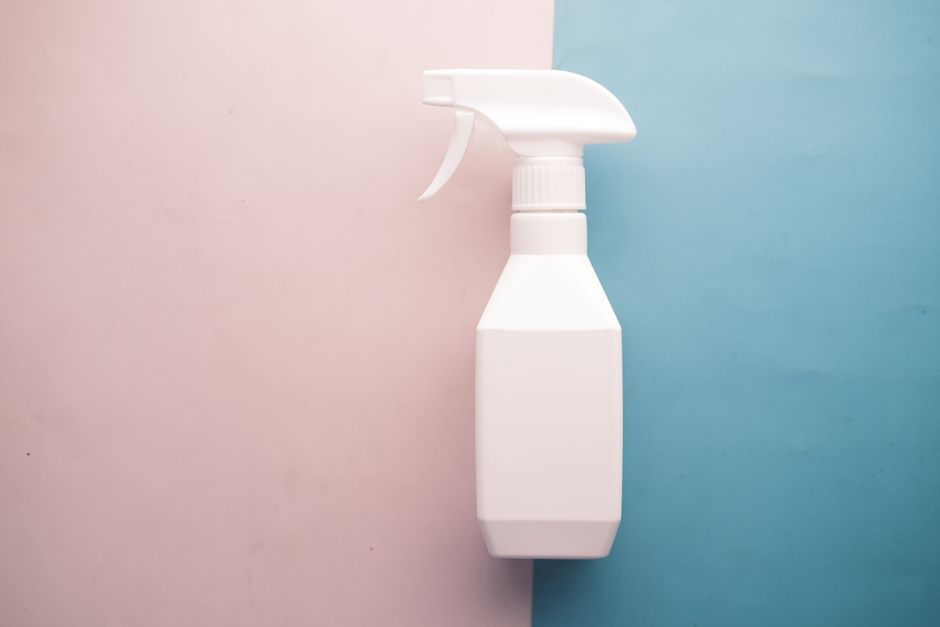
Degreasers come in a few different formats, and choosing the right one depends on your cleaning situation.
Spray bottles: The most convenient for kitchens and bathrooms. You spray directly on the surface, let it sit briefly, and wipe. Available in sizes like the 12 oz Spray Bottle for quick jobs and the 1 QT Spray Bottle for regular household use.
Concentrate or bulk: These are mixed with water and are more economical for large jobs or commercial use. Perfect if you're cleaning an entire house or running a restaurant.
Wipes: Pre-saturated cloths that are super convenient but typically more expensive per use.
Powder or paste formulas: Less common in homes, more common for heavy industrial work.
Non-Toxic Degreasers vs. Harsh Chemical Ones
Here's where safety matters. Traditional degreasers often contain petroleum-derived solvents, chlorinated compounds, or ammonia. These work, but they come with downsides:
- Strong chemical fumes that irritate eyes, nose, and throat
- Toxic if ingested or absorbed through skin
- Harmful to aquatic life when they go down the drain
- Safety concerns around children and pets
Non-toxic degreasers like those from All Green Degreaser use plant-based ingredients and biodegradable formulas that work just as effectively without the hazards. They're made in the USA, safe to use around family members and pets, and break down naturally without harming the environment.
You shouldn't have to choose between clean surfaces and family safety. Modern eco-friendly degreasers prove you can have both.
How to Use a Degreaser Effectively
Using a degreaser correctly makes a huge difference in results. Here's the simple process:
- Spray generously on the greasy surface. Don't be stingy. Let the degreaser sit for 2-5 minutes so it has time to break down the grease.
- Wipe with a cloth or sponge. Use light pressure. You shouldn't need to scrub hard if the degreaser is doing its job.
- Rinse with clean water to remove residue and loosened grease.
- Dry with a clean towel to prevent streaks and water spots.
Pro tip: For stubborn, baked-on grease, let the degreaser sit longer. Sometimes 10-15 minutes makes a difference. You're not applying more elbow grease; you're letting chemistry do the work.
Safety Tips When Using Degreasers

Even non-toxic degreasers deserve respect. Here's how to use them safely:
- Ensure good ventilation by opening windows or turning on exhaust fans.
- Wear gloves if you have sensitive skin, though eco-friendly formulas are gentler than traditional options.
- Keep degreasers away from children and pets while the surface is wet.
- Never mix degreasers with other cleaning products, especially bleach or ammonia-based cleaners.
- Test on a small, inconspicuous area first if you're cleaning something delicate or valuable.
With non-toxic formulas, you can breathe easy knowing you're using a product that's genuinely safe for your household.
Why Families Choose Non-Toxic Degreasers
Health-conscious families are making the switch from harsh degreasers for one simple reason: they work without the downsides. You get powerful grease-cutting performance plus peace of mind.
It's not just about avoiding harsh chemicals, either. Non-toxic degreasers are also better for your home's air quality, safer to store around family members and pets, and they don't leave toxic residue on surfaces your kids might touch.
If you've been putting off deep cleaning because you dread the fumes and safety concerns, switching to a plant-based degreaser removes that barrier. Your kitchen gets clean, your family stays safe, and you don't feel guilty about what's going down your drain.
Related: Best Degreaser for Kitchen & Home Cleaning in 2026
FAQs About Degreasers
Can you use a degreaser on all surfaces?
Most degreasers work on sealed surfaces like tile, glass, stainless steel, and laminate. Avoid using degreasers on unsealed wood, natural stone like marble, or painted surfaces without testing first. Eco-friendly formulas are generally gentler, but it's always smart to test in an inconspicuous spot before committing to a large area.
How often should you use a degreaser?
That depends on your lifestyle. If you cook frequently, spraying down your stovetop weekly with a degreaser prevents heavy buildup. For bathroom surfaces and garage floors, monthly or quarterly deep cleaning is usually enough. The more often you do light maintenance, the less often you need heavy-duty cleaning.
Is it safe to use degreaser around kids and pets?
Non-toxic, plant-based degreasers are safe when used as directed. Keep children and pets away from wet surfaces while cleaning, store the degreaser in a secure location, and rinse surfaces thoroughly. Harsh chemical degreasers pose greater risks, which is why many families prefer safer alternatives.
Related: Safe Degreaser for Families with Kids: Non-Toxic Cleaning Guide
Related: Non-Toxic Kitchen Degreaser for Stoves: Safe Cleaning Guide
Can you make your own degreaser at home?
Yes, a simple mix of white vinegar, water, dish soap, and lemon essential oil works as a light degreaser for minor grease and everyday cleaning. However, for serious grease buildup, a commercial degreaser is more effective. Homemade solutions are great for maintenance but less powerful for heavy jobs.
Non-toxic. Biodegradable. Actually works
Try Our 12oz Sample →