

Grease removal doesn't have to be a nightmare. Whether you're dealing with a sticky stovetop, a grimy range hood, or oily driveway stains, the key is using the right technique for the right surface. Let's walk through exactly how to remove grease so you can tackle it confidently.
In this article
- How to Remove Grease: The Basics
- How to Remove Grease from Kitchen Surfaces
- How to Remove Grease from Hard Floors
- How to Remove Grease from Drains
- How to Remove Grease from Garage Floors and Driveways
- How to Remove Grease from Tools and Equipment
- Quick Tips for Faster Grease Removal
- Why Choose a Safe Degreaser
- Preventing Future Grease Buildup
- The Right Tool for the Job
How to Remove Grease: The Basics
Grease clings to surfaces because it's hydrophobic—meaning it repels water. That's why plain soap and water alone usually doesn't cut it. You need a degreaser that actually breaks down the oils and lifts them away.
Related: How to Remove Baked On Grease: 5 Easy Methods
Related: How to Remove Grease Stains: A Complete Guide
Related: How to Get Grease Off Concrete: The Complete Guide
The fastest approach? Act quickly. Fresh grease is much easier to clean than grease that's been sitting for weeks or baked on by heat. But even stubborn, polymerized grease (the hard, gummy stuff on range hoods) can be tackled with the right product and a little patience.
Start with All Green Degreaser—it's specifically formulated to break down grease without toxic fumes or harsh chemicals that aren't safe around kids and pets.
Non-toxic. Biodegradable. Actually works
Try Our 12oz Sample →
How to Remove Grease from Kitchen Surfaces
Your kitchen is ground zero for grease buildup. Here's the step-by-step approach that works:
For Countertops and Stovetops:
- Spray the greasy area generously with degreaser and let it sit for 30-60 seconds.
- Wipe with a soft cloth or sponge using circular motions.
- For stubborn spots, spray again and let it sit for 2-3 minutes before wiping.
- Dry with a clean towel to prevent water spots.
For Range Hoods and Filters:
- Remove the filter if possible—this makes the job way easier.
- Spray the hood generously and let the degreaser work for 5-10 minutes. This gives it time to penetrate the buildup.
- Wipe down with a cloth. For thick, baked-on grease, use a soft brush or old toothbrush to gently scrub.
- For the filter, soak it in hot water with degreaser for 15-20 minutes, then scrub and rinse.
For Cabinet Doors:
- Spray lightly and wipe immediately—you don't want excess liquid on wood.
- Follow the grain of the wood to avoid streaking.
- Use a second dry cloth to buff away any residue.
How to Remove Grease from Hard Floors
Kitchens and garages often have that sticky grease sheen on hardwood or tile. Here's how to restore them:
For Tile or Linoleum:
- Sweep or vacuum first to remove loose debris.
- Mix warm water with degreaser in a bucket (follow the product instructions for dilution).
- Mop the floor, working in small sections.
- For stubborn spots, spray directly and let it sit for a minute before mopping.
- Rinse with clean water to avoid a slippery residue.
For Hardwood Floors:
- Be cautious—too much liquid damages wood. Spray degreaser on a cloth first, then wipe the floor.
- Work quickly and dry as you go.
- If the buildup is thick, let the product sit for just 30 seconds before wiping.
How to Remove Grease from Drains

Grease buildup in drains is a common problem that can create sanitation issues and lead to blockages. Prevention is easier than fixing a clogged drain, but here's what to do if grease has already accumulated:
- Pour boiling water down the drain to soften any grease accumulation.
- Follow with a degreaser product poured directly into the drain.
- Let it sit for 15-30 minutes (check your product's instructions).
- Flush with more hot water.
- For severe blockages, you may need to call a plumber.
Going forward, avoid pouring grease down drains altogether. Wipe pans and dishes before washing them, and dispose of cooking grease in a trash can or old container.
How to Remove Grease from Garage Floors and Driveways
Oil stains and grease spots on concrete can look pretty rough and attract more dirt. Here's the method:
- Sweep the area thoroughly first.
- If the grease is fresh, spray it immediately with degreaser and let it sit for several minutes.
- Use a stiff brush to scrub the spot in circular motions.
- Rinse with a hose or pressure washer (on low pressure to avoid damaging concrete).
- For old, set-in stains, repeat the process 2-3 times. These take patience.
For garage floors especially, using All Green Degreaser means your kids and pets can safely play in the space after you've cleaned—something you can't say about harsh chemical degreasers.
How to Remove Grease from Tools and Equipment
Mechanics and DIY folks know this struggle well. Grease-covered wrenches, saws, and machinery parts need careful cleaning:
- Wipe away excess grease with a dry cloth or old rag first.
- Spray or soak the tool in degreaser.
- Use an old toothbrush or soft wire brush to scrub into crevices.
- Rinse thoroughly and dry completely to prevent rust.
- For heavily contaminated tools, soak them in degreaser for 30 minutes before scrubbing.
This is where non-toxic matters too—if you're cleaning tools you use regularly, you don't want to absorb harsh fumes into your skin or breathe them in your shop.
Quick Tips for Faster Grease Removal
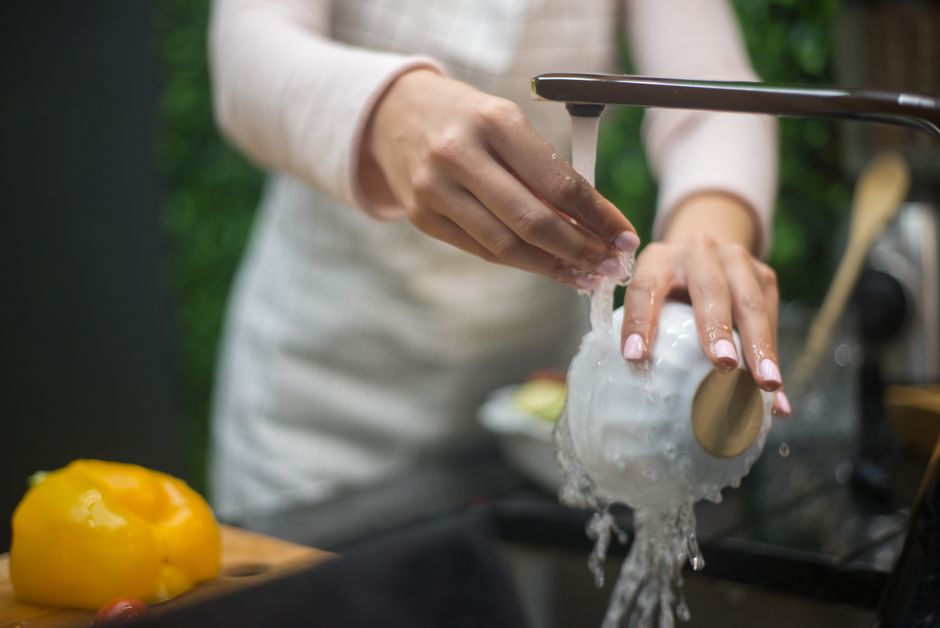
Speed matters when you're tackling buildup. Here's how to work smarter:
- Let it sit. Degreasers work best when they have time to penetrate. Don't rush the process.
- Heat helps. Warm grease is easier to break down than cold grease. Use warm water or let your degreaser sit in the sun for a few minutes.
- Start light. A small amount of product works fine. Oversaturating just means more rinsing and waste.
- Use the right tools. Soft cloths for delicate surfaces, brushes for textured areas, and squeegees for large flat surfaces.
- Keep supplies nearby. Having degreaser accessible in your kitchen and garage means you'll clean spills immediately instead of letting them set.
Why Choose a Safe Degreaser
Not all degreasers are created equal. Conventional commercial degreasers often contain caustic chemicals, petroleum distillates, and strong fumes that can irritate your lungs and skin. If you have kids or pets, those products create ongoing safety concerns.
A biodegradable, non-toxic degreaser delivers the same cleaning power without the risk. It breaks down grease just as effectively—sometimes even faster—while being safe to use around your family and the environment.
Preventing Future Grease Buildup
Once you've cleaned grease away, keeping it from coming back saves you effort down the road:
- Wipe stovetops and range hoods immediately after cooking.
- Use a splatter screen when frying to reduce airborne grease.
- Clean range hood filters monthly instead of waiting for major buildup.
- Wipe hands before touching light switches, cabinet handles, and walls.
- Store cooking oils and greases in sealed containers away from work surfaces.
The Right Tool for the Job
Choosing the right degreaser makes all the difference. You want something that actually works on tough, stubborn grease—but also something you feel confident using around your home. That's exactly why families trust All Green Degreaser for kitchens, bathrooms, garages, and everywhere else grease shows up. It's USA-made, eco-friendly, and powerful enough to handle the jobs that other products struggle with.
Can I use dish soap to remove grease?
Dish soap works on fresh, light grease, but it's not strong enough for heavy buildup, baked-on grease, or stubborn stains. A dedicated degreaser penetrates much more effectively and requires less scrubbing.
How long should I let degreaser sit before wiping?
Most degreasers work best when they sit for 30 seconds to 5 minutes, depending on how thick the grease is. Check your product's instructions, but generally: light grease = 30 seconds, moderate grease = 2-3 minutes, heavy buildup = 5-10 minutes. Don't let it dry completely though.
Is it safe to use degreaser around kids and pets?
That depends entirely on the product. Conventional degreasers with harsh chemicals are not safe for young children or pets. Non-toxic, biodegradable degreasers like All Green Degreaser are formulated to be safe when used as directed. Always keep any cleaning product out of reach of small children and pets, and read labels carefully.
Why is polymerized grease so hard to remove?
Polymerized grease is grease that's been baked onto a surface by heat (like on a range hood). The heat changes its structure, making it harder and more stubborn. It requires longer treatment time, sometimes multiple applications, and may need gentle scrubbing to break down.
Non-toxic. Biodegradable. Actually works
Try Our 12oz Sample →