

The best degreaser is one that tackles stubborn grease, grime, and buildup without toxic fumes, harsh chemicals, or safety concerns around your family and pets. Sound like a tall order? It's not. But finding it means skipping the industrial stuff marketed to restaurants and focusing on formulas designed for real homes.
Here's the truth: not all degreasers are created equal. Some work great on one surface but destroy another. Some smell so strong you have to open every window. And some promise the world but leave greasy streaks behind. We're going to walk through what actually matters when you're choosing a degreaser, and what to look for so you don't waste money or expose your family to unnecessary chemicals.
In this article
- What Makes a Degreaser Actually Work?
- The Best Degreaser for Different Areas of Your Home
- Eco-Friendly vs. Chemical-Heavy: Can You Have Both?
- Concentrated vs. Ready-to-Use: Which Saves You Money?
- How to Choose the Best Degreaser for Your Home
- The Reality Check: What Doesn't Work Well
- Why Most People Pick the Wrong Degreaser
- Making Your Final Decision
- People Also Ask
What Makes a Degreaser Actually Work?
Before you buy anything, you need to understand one simple thing: pH levels matter.
Related: What Is a Degreaser? A Simple Guide for Home Cleaning
Related: How to Get Grease Off Concrete: The Complete Guide
Related: How to Clean Oil Off Concrete: The Complete Guide
Grease is fatty and oily. It clings to surfaces because of chemistry. A degreaser works by raising the pH level (making it more alkaline) to break down those fatty molecules so they rinse away. Most effective degreasers sit around pH 10 or higher. That's the sweet spot where you get real cleaning power.
Products like Dawn Professional Kitchen Surface Degreaser clock in at pH 10.4, which is why restaurants and professional kitchens use them. But here's the catch: higher pH sometimes means stronger fumes, harsher on your skin, and less safe around kids and pets.
This is where All Green Degreaser fills the gap. It achieves that alkaline power without the toxic chemicals or overwhelming smell that makes your eyes water. You get the grease-cutting performance without the safety trade-off.
Non-toxic. Biodegradable. Actually works
Try Our 12oz Sample →
The Best Degreaser for Different Areas of Your Home
Not every degreaser works for every job. Your kitchen stovetop isn't the same as your garage floor or your bathroom tiles. Here's what to prioritize in each space.
Kitchen Stovetop and Counters
Your stovetop takes a beating. Splattered oil, burnt food residue, and daily cooking grime pile up fast. You need something that dissolves grease on contact but won't damage the surface underneath (especially if you have an older metal or glass-top stove).
Look for a degreaser that's safe on multiple surfaces. Before you go full strength on any stovetop, test on a small corner first. This is where concentrated formulas shine, because you can dilute them for delicate surfaces and use full strength for heavy buildup.
Bathroom Grease and Soap Scum
Bathrooms need something gentler than kitchens, but still effective. You're dealing with soap scum, mildew, and moisture more than heavy grease. A multi-purpose degreaser that also handles soap residue works best. Avoid anything with bleach if you have tile grout, because bleach can erode grout over time.
Garage Floors and Concrete
This is where you can use heavier-duty formulas. Garage floors collect motor oil, rust stains, and years of gunk. You want maximum alkaline power here. Concentrated degreasers designed for concrete perform best, and you can dilute them as needed for sealed concrete or epoxy.
The key is matching your product to your surface and your mess level. Overkill wastes money and can damage finishes. Underkill wastes time and leaves you frustrated.
Eco-Friendly vs. Chemical-Heavy: Can You Have Both?
Here's where the old compromise dies. You used to have to choose: either a degreaser that absolutely destroys grease but smells like a gas station, or an eco-friendly option that feels more like warm water.
That's no longer true. Eco-friendly degreasers have improved dramatically. Non-toxic formulas now deliver real cleaning power without petroleum-based chemicals, synthetic fragrances, or fumes that trigger headaches.
When you read labels, look for biodegradable surfactants (plant-based cleaning agents) instead of petroleum distillates. Check if the product breaks down safely in septic systems and wastewater. And honestly, if the ingredient list reads like a chemistry experiment you don't understand, skip it.
All Green Degreaser is USA-made and designed specifically for families that refuse to compromise between effectiveness and safety. It's biodegradable, non-toxic, and works on grease without making your kitchen smell like industrial solvents for the rest of the day.
Concentrated vs. Ready-to-Use: Which Saves You Money?
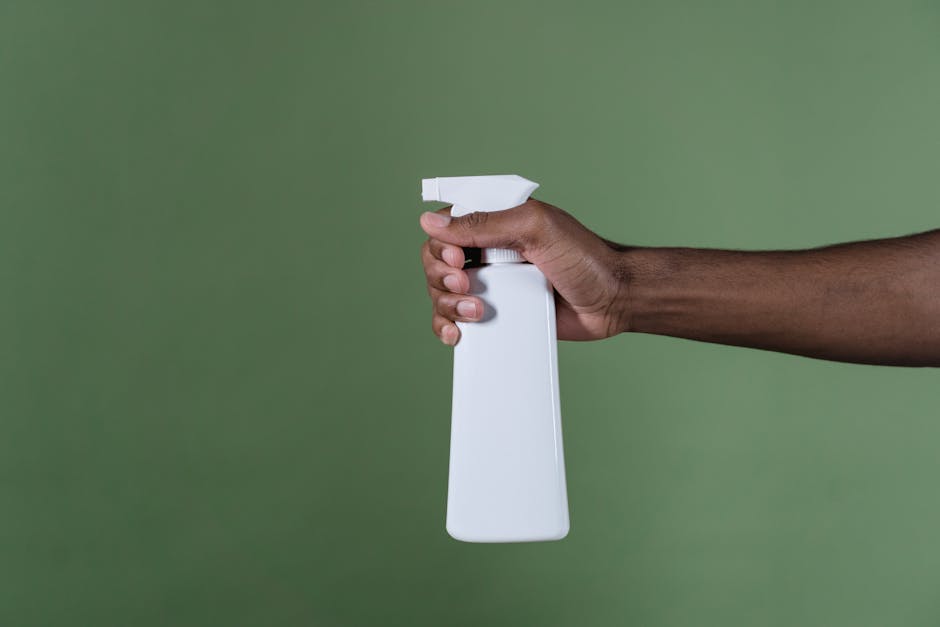
This one's simple: concentrated degreasers stretch your dollar further.
A concentrated formula lets you dilute based on the job. Heavy grease? Use it full strength or half strength. Light cleaning? Dilute it 3-to-1 with water. You buy once and adjust as you go. That single bottle can handle ten different jobs around your house.
Ready-to-use sprays are convenient if you only grab one occasionally. But if you're a regular user (and most households are), a concentrate saves money over time and reduces plastic waste.
How to Choose the Best Degreaser for Your Home
Now let's get practical. Here's your checklist.
- Check the pH. Aim for pH 10 or higher for real grease-cutting power.
- Read the ingredient list. Avoid petroleum distillates, harsh solvents, and mystery chemicals. Plant-based surfactants are your friend.
- Test on a small area first. Especially on older surfaces, painted finishes, or anything precious.
- Consider concentrate. Better value, more versatile, less plastic waste.
- Smell matters. A product that reeks isn't going to sit well in your home. Eco-friendly options usually have milder, more natural scents or are fragrance-free.
- Think about safety. If you have kids or pets, a non-toxic option isn't just a preference—it's peace of mind. Accidental ingestion happens. Skin contact happens. Inhalation happens. A safer formula means lower risk all around.
The Reality Check: What Doesn't Work Well
Homemade mixtures of vinegar, rubbing alcohol, and dish soap sound amazing in theory. They're cheap, natural, and you probably have them already.
The problem? They underperform on stubborn grease. Vinegar is acidic (low pH), which is great for mineral deposits but weak against grease. Dish soap alone isn't concentrated enough for heavy buildup. You end up scrubbing twice as hard, taking twice as long, and still not getting great results.
Save the homemade stuff for light maintenance cleaning. For actual degreasing work, a proper degreaser formulated for the job gets you better results faster.
Why Most People Pick the Wrong Degreaser
There are three common mistakes.
Mistake 1: Assuming stronger smells better. A harsh chemical smell doesn't mean it's working harder. It usually just means you're inhaling fumes. Real effectiveness comes from the formula, not the odor.
Mistake 2: Choosing based on price alone. The cheapest degreaser at the dollar store might leave streaks, require multiple applications, or not actually dissolve grease. Professional-grade and eco-friendly options cost more upfront but deliver better results per use.
Mistake 3: Using the same degreaser everywhere. Your kitchen needs something different than your garage. Bathroom soap scum cleanup is different from stovetop grime. One bottle rarely does everything equally well.
The best approach is having one solid multi-purpose degreaser you trust for most jobs (like All Green Degreaser), and considering specialty products for specific challenges.
Making Your Final Decision
Here's the short version: the best degreaser cuts through grease fast, feels safe around your family, actually dissolves buildup instead of just moving it around, and doesn't leave your home smelling like a petrochemical plant.
It should match the surfaces you're cleaning, work within your budget, and deliver results consistently. Whether you choose concentrate or ready-to-use, eco-friendly or professional-grade, matters less than finding something you'll actually use because it works and you feel good using it.
If you're looking for something that checks all those boxes without the guesswork, All Green Degreaser was designed exactly for this. It's formulated for real homes with real people, prioritizes safety without sacrificing performance, and actually delivers on the promise of powerful grease-cutting without harsh chemicals.
Start with a small bottle, test it on your worst grease problem, and go from there. You'll know within one use whether it's your answer.
People Also Ask
What pH should a degreaser be?
A degreaser should ideally be pH 10 or higher for effective grease removal. Higher alkalinity breaks down fatty molecules faster. However, very high pH (12+) may damage certain surfaces or produce harsh fumes. pH 10-11 is the sweet spot for most household cleaning—strong enough to work, safe enough for regular use.
Is vinegar a good degreaser?
Vinegar is acidic and works great on mineral deposits and soap scum, but it's weak against grease. For light maintenance, vinegar mixed with water works okay. For stubborn grease, you need an alkaline degreaser. All Green Degreaser is much more effective on heavy grease than vinegar alone.
Can you use degreaser on all surfaces?
No. Always check the product label first. Some degreasers can damage painted finishes, varnish, or delicate materials. Test on a hidden area before using on anything you care about. Concentrated degreasers should be diluted for sensitive surfaces. Concrete and sealed metal can usually handle full-strength degreaser, but tile, wood, and older finishes need caution.
How often should you degrease your kitchen?
Light wiping with a degreaser once or twice a week keeps buildup from forming. Heavy degreasing (targeting the stovetop, range hood, and cabinets) every 2-4 weeks depending on cooking frequency. The more you cook, especially with oils and frying, the more often you'll need it. Regular maintenance prevents that awful sticky buildup that takes forever to remove.
Non-toxic. Biodegradable. Actually works
Try Our 12oz Sample →